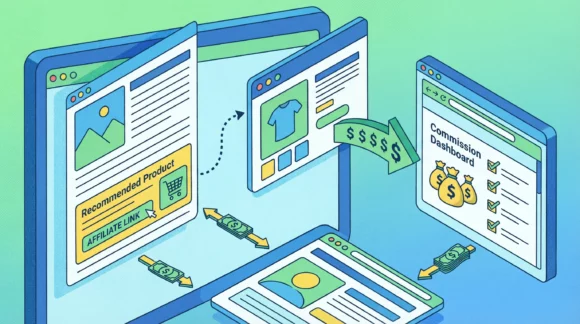
Making money from a website means more than just slapping on a few ads and calling it a day. Understanding product pricing and commissions is a big part of running a profitable site, whether you’re working with affiliate programs, running your own shop, or exploring subscription models.
There’s a lot that goes into getting these details right. Here’s a straightforward breakdown of what I’ve learned about nailing pricing, boosting commissions, and dialing in your monetization strategies.

Why Product Pricing and Commissions Matter in Website Monetization
Figuring out how to make decent money from your website starts with understanding how product pricing and commissions work. If your prices are off or you ignore commission structures, you’ll have a hard time making any real profit, no matter how much traffic your site gets. Working out which approach suits your site’s audience can make all the difference.
Most people jump into site monetization with one of a few go-to ideas, display ads, affiliate links, digital product sales, or offering subscriptions. Each has its own way of handling pricing and commissions. Some rely on steady sales volume, while others focus on big ticket items or recurring revenue. Understanding Commissions in Affiliate Marketing especially becomes super important if you’re planning to work with partner products to add value to your site and pocket commissions.
A report from Statista found that affiliate marketing spending in the U.S. alone hit over $8 billion in 2022. That’s a huge chunk of the digital marketing pie, and it keeps growing because of these lucrative commission-based models. The key is understanding where you fit and how to make your own site stand out.
Common Monetization Models, Ads, Affiliates, Sales, and Subscriptions
Website owners usually focus on a handful of wellworn paths to make money online, each with its own pricing quirks and commission potential.
- Display Ads: Standard banner and sidebar ads. These work best with high, consistent traffic but usually pay out low CPMs (basically a few bucks per thousand views).
- Affiliate Marketing: You promote someone else’s product for a cut of the sale. Commissions can range from a few percent up to 50% or more for info products and subscriptions.
- Direct Product Sales: Selling your own ebooks, courses, or merch lets you set prices and earn the full profit, minus platform fees, if any.
- Subscription Services: Members pay for regular content or perks. Pricing strategies for subscription services matter because churn (people quitting) can eat up profits if you charge too much or too little.
Best monetization strategies for websites depend on your traffic volume, niche, and how much regular effort you want to put in. A fashion blogger, for example, might make more from affiliate links than ads, while a site with high traffic but low engagement could benefit from sticking to display ads.
How Commissions Work in Affiliate Marketing (and Why They Matter)
When you dig into Understanding Commissions in Affiliate Marketing, you start to see that not all programs pay the same, and the way commissions are structured can totally change your approach. Here are the big commission models out there:
- FlatRate Commissions: You get a set dollar amount per sale, signup, or lead. Good for biggerticket items or software.
- PercentageBased: Most common. You might get anywhere from 4% (Amazon’s lower categories) to 50% (some digital products or private partnerships).
- Recurring Commissions: If someone you refer stays subscribed, you get paid every month. This is pretty handy for growing a baseline income if you work with SaaS or subscription box partners.
It’s not all about the commission rate, though. The conversion rate (how many visitors buy after clicking your link), average order value, and your site’s audience are super important. A high commission rate on a product that barely sells won’t do you much good.
Commissions vs. Direct Sales in Online Business
Website owners often get stuck asking whether they should stick with affiliate commissions or build their own direct sales funnel. Here’s what I consider in this debate:
- Commissions (Affiliate): Lower effort up front, you don’t handle payments or fulfillment, just send traffic. But you may earn less per sale, and you’re at the mercy of someone else’s payout schedule.
- Direct Sales: More work. You’ll be handling payments, refunds, and customer support, but you get to keep the full margin after costs (often a much sweeter deal if you find the right product fit).
Mixing both can work well; a core product offer with affiliate promos on the side gives you a balance of recurring sales and passive earnings. Commissions vs. Direct Sales in Online Business is always something you’ll need to test for your niche and goals.
How to Set Product Prices for Maximum Profit
Nailing product pricing is a bit of an art and science. Here’s a straightforward way I’ve found to figure it out for your online shop, course, or ebook:
- Research Your Market: See what similar products cost. You don’t want to come in way higher or lower without a clear reason.
- Factor in All Costs: Platform fees, affiliate commissions, ad spend, and even your own time add up. Don’t forget taxes if you’re running your own shop.
- Test and Adjust: Use AB pricing on your product page where possible. Try bundles or discounts to push up perceived value.
- Play With Anchor Pricing: Show a “regular” price slashed out and your real price below. This simple visual trick can drive conversions.
How to Set Product Prices for Maximum Profit isn’t about copying someone else’s setup. It’s about finding that sweet spot where conversions happen, refunds stay low, and customers still walk away feeling satisfied. If you’re working with commissions, calculating your net earnings after someone clicks your affiliate link is a big piece of this puzzle, too.
Pricing Strategies for Subscription Services
Running a membership or subscription product has its own unique pricing challenges. I’ve seen a few good ways to handle this:
- Tiered Pricing: Offer several options (basic, standard, premium) so people can pick what suits their needs. This can increase your average revenue per user.
- Freemium Models: Give away a solid baseline, then charge for the good stuff. It’s a risk, but it really works in some spaces where trustbuilding is needed first.
- Annual Discounts: Knock off a month or two if they pay for a year up front, keeping churn low and locking in cash flow for longer.
Pricing Strategies for Subscription Services work best when you look at the value you’re giving against what your competitors offer. Keep an eye on community feedback and churn rates to spot issues early. A good subscription setup can build strong, recurring revenue if you price it right.
Top Monetization Techniques for Bloggers and Site Owners
Beyond just basic ads or links, there are tons of ways you can get creative with your site monetization.
- Sponsored Content: Partner with brands who want access to your audience. You negotiate a fee or a flatrate commission for featuring a post or review.
- Digital Product Bundles: Package ebooks, templates, guides, or video workshops and offer seasonal or evergreen bundles.
- Exclusive Content: Lock your best resources behind a paywall for members or subscribers. This can include webinars, templates, or stepbystep guides.
- Donations or “Buy Me a Coffee” Buttons: Sometimes just asking loyal readers for a small tip is an easy win.
Top Monetization Techniques for Bloggers are usually tailored to the audience and niche. If you have highly engaged readers, try more direct product sales. For more passive revenue, build out more affiliate content. Sometimes, rotating or combining several methods over time works even better.
Tools and Resources, Best Tools for Pricing Strategy Analysis
There’s no need to do everything by hand these days; I rely on a few handy tools to keep my pricing sharp and my commission game strong.
- Google Analytics: Tracks conversion rates, visitor flow, and lets you test different prices with ease.
- Hotjar or Crazy Egg: See where people click or scroll. If no one’s seeing your special offer, you can tweak placements and CTAs.
- Ahrefs or SEMrush: Dig into competitors’ keywords, product launches, and backlink profiles, really useful for affiliate sites.
- ProfitWell and Baremetrics: Especially solid for SaaS or subscription sites, these track trends, churn, and pricing test results automatically.
Best Tools for Pricing Strategy Analysis make it so much easier to spot what’s actually working versus what just looks good on paper. Even a simple spreadsheet with key stats can do the trick for smaller projects.
How to Increase Product Commission Earnings
Getting the most out of your commissionbased revenue sometimes means stepping up your approach in a few key ways:
- Pick the Right Partners: Go for affiliate programs or partners with reliable tracking, fast payouts, and a pattern of converting for your audience.
- Focus on Reviews + Tutorials: Content that genuinely helps or educates tends to convert better than basic lists or banners.
- Email Marketing: Build a simple funnel to send people directly to your product recs or affiliate offers, much more effective than hoping silent readers convert.
- Negotiate Rates: If you start bringing in steady sales, email your affiliate manager to ask for an increased rate or bonus tier.
How to Increase Product Commission Earnings isn’t always about just marketing harder. Sometimes, a better fit or sharper pitch drives way more results than flooding your site with random links.
RealWorld Things to Watch When Monetizing a Site
The adventure into site monetization comes with its own share of ups, downs, and learning curves. Here’s what I keep an eye on to avoid headaches down the line:
- Program Terms Change: Amazon and other big affiliate programs update rates often. Always read your emails for terms changes.
- Cookie Durations: Some affiliate cookies only last 24 hours, others up to 90 days. This can make a huge difference in payout opportunities.
- Payout Thresholds: Some programs require you to earn $100+ before you get paid. Know this up front to avoid surprises.
- Refund Policies: Sales that get refunded after your commission is paid can be clawed back, so factor in this risk, especially with highticket items.
Careful research helps buyers and site owners make informed decisions and sets up a solid foundation for longterm revenue. Being transparent with your audience about affiliate links and sponsored content also builds trust, which usually leads to more sales down the road.
FAQs: Quick Answers About Pricing and Commission Strategies
Question: How do I choose between ads, affiliate programs, and direct sales?
Answer: Start with the type of content and audience you have. Ads are simple but only work with higher traffic. Affiliate programs are flexible and great for productdriven niches. Direct sales provide the best margins if you have something unique to offer.
Question: How do I avoid underpricing my products?
Answer: Compare similar offers, count in your expenses, and test with small groups before a big launch. Don’t be afraid to increase prices if your product is delivering solid value.
Question: Can I run multiple monetization models at once?
Answer: Yep, and it’s often a good idea. Mixing ads, affiliate links, and direct sales spreads out risk and can boost your overall income.
Question: What’s the average commission rate for affiliate programs?
Answer: It really depends; physical products can pay 310%, while digital or SaaS products hit 2050%+ sometimes. Recurring commissions are usually lower on the front end but can add up over time.
Final Thoughts
Mastering product pricing and commission strategies opens up a lot of revenue opportunities for site owners, bloggers, and anyone interested in building a profitable online presence. Focusing on value, testing often, and staying transparent with your audience keeps your monetization game on track. I’m always experimenting with new techniques, it keeps things interesting and, more often than not, improves my earnings over time.
But don’t stop there. If you want nextlevel cool results, keep watching your metrics and fine tune your strategies regularly. Remember, every niche is different and your audience’s needs may evolve over time. Jump into forums, check out niche blogs, or track down industry news to stay sharp in your monetization game. Don’t be afraid to ask your readers directly what they value and would pay for, feedback can result in real breakthroughs. By mixing in these habits, you not only bring in more income but also build a more resilient online business for the future.