AI marketing tools have exploded in popularity over the last few years. With all the eye-catching new tech comes a whole set of new concerns that simply can’t be ignored. AI marketing ethics are at the heart of these conversations. Marketers and businesses are learning that while these tools can be super useful for analyzing data and personalizing content, there’s a need to look at the ethical risks and responsibilities that come with using artificial intelligence in marketing.
What Makes AI Marketing Ethics So Important?
AI and digital marketing go hand in hand these days. From targeted ads to next-level customer segmentation, automated campaigns powered by machine learning help brands get results fast. But whenever you’re collecting data, making decisions with algorithms, or even just automating customer responses, ethical questions arise.
Some of the big questions circulating within AI marketing ethics include: Are customer privacy and consent being respected? Can bias sneak into AI and mess up your targeting? How transparent do you need to be about AI use? Getting these answers right isn’t just about following the law; it’s about building real trust with your audience. Making decisions that keep audience trust front and center is crucial because today’s consumers are more aware than ever of how their information is handled online.
How AI Marketing Tools Work and Where Things Get Tricky
AI marketing tools collect tons of data: purchase history, online behavior, location info, device type, and more. These tools then analyze the data to predict what someone might buy, tailor recommendations, and automate responses. Sounds convenient, but here’s where things can go sideways. The same power that delivers a personal shopping experience can also cross lines if data isn’t handled carefully or if algorithms aren’t checked for fairness. As marketers use these tools to drive campaigns, they have to be extra watchful about how the tech operates behind the scenes.
- Machine Learning Models: These train on data inputs and can sometimes “learn” biases if the data is skewed from the start. This can lead to real-world consequences when models reflect societal biases or flaws in data gathering.
- Natural Language Processing (NLP): Used for chatbots and social listening, but sometimes it fails to understand context or can be manipulated for microtargeting. Marketers must be aware of the risks when using NLP for customer interaction because poor context understanding can frustrate users.
- Predictive Analytics: Helps businesses spot potential customers, but the line between helpful targeting and intrusive surveillance can get blurry. Deciding what’s helpful and what’s invasive requires careful consideration and clear policies.
The challenge lies in ensuring AI supports your marketing without crossing ethical boundaries. It’s about knowing where to draw the line between effective marketing and activities that can feel invasive or unfair.
Biggest Ethical Concerns With AI Marketing Tools
Several issues stand out as super important to keep in mind when using ethical AI marketing tools. Here’s what every marketer should be aware of and why:
- Bias and Fairness: If your AI model learns from data that isn’t diverse or is skewed, it can result in biased outputs. This means certain groups might get left out or, worse, unfairly targeted. Ensuring a fair data set is a fundamental step toward equitable marketing outcomes.
- Transparency: Customers generally want to know when an algorithm is influencing what they see or what deals they’re offered. Hiding AI’s role can erode trust fast. Open communication about AI’s role in campaign decisions provides clarity and builds positive relationships with customers.
- Consumer Privacy: AI and consumer privacy are tightly linked; misusing or mishandling personal data is one of the quickest ways to lose customer confidence. Marketers must recognize that repeated privacy breaches can damage their brands beyond repair.
- Consent: People need to know and agree on how their info is used, especially as regulations like GDPR give users more power. Proactive consent management reassures customers that their preferences are respected.
- Manipulation: Highly personalized ads can sometimes cross the line and feel manipulative if they use sensitive personal info out of context. To avoid this, marketers have to be sensitive to how personalization feels from the customer’s perspective.
Each of these ethical issues has real impacts on consumer trust, making it critical to address them directly and openly in every campaign.
AI Marketing Risk Management: Strategies for Being Smart and Responsible
Managing risk with AI in marketing isn’t just about avoiding fines or bad press. It’s about building habits and routines that both protect the business and the customer. Check out some key steps that work well for responsible marketers:
- Audit Your Data: Always double-check that your training data isn’t skewed or incomplete. Regular audits help spot potential bias early on and give you a chance to adjust before issues arise.
- Build in Accountability: Assign responsibility within your team for AI outcomes so there’s always a human making sure the tool works as intended. Having someone specifically in charge helps keep things on track.
- Be Clear About AI Usage: Let customers know when their experience is powered by AI, especially in chatbots and recommendation engines. This boosts credibility and helps customers make informed choices.
- Respect Privacy Laws: Stay informed about regional regulations and obtain proper consent before collecting data. Today’s patchwork of local and global rules means ongoing learning is part of the job.
- Test for Unintended Consequences: Throw edge cases at your AI models to see how they respond, ensuring no group is unfairly disadvantaged and making sure fairness truly scales with your business.
The more systematic your approach to risk management, the more you set your brand apart as a responsible marketer people can trust.
How to Use AI Marketing Ethically in Everyday Campaigns
Creating fair and responsible marketing campaigns means using AI with care. Here are some practical approaches I’ve found that really work, especially for teams that want to stand out for their ethical standards:
- Explain Your Choices: If you segment audiences using AI, be ready to explain the factors that led to those choices; this builds credibility. People appreciate when reasons are spelled out clearly, showing your brand cares about fairness.
- Let People Opt Out: Always give users clear options to opt out of AI-driven personalization; choices empower your customers. Putting control in the user’s hands sends a strong message of respect for their preferences.
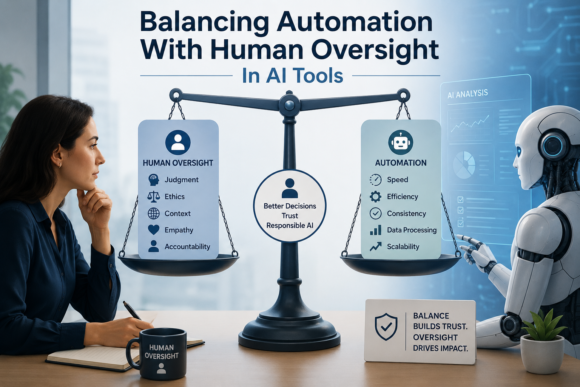
- Keep Human Oversight: Don’t just let the algorithm run wild. Human-in-the-loop systems catch mistakes and bring common sense where algorithms fall short, preventing embarrassing or even harmful outcomes.
- Limit Sensitive Data: Use personal details only when absolutely necessary, and avoid targeting based on health or sensitive demographic info without extreme care. Being selective with data helps you stay within ethical boundaries.
Applying these policies in daily work helps build a positive reputation and keeps you ahead of the curve in ethical marketing.
AI and Consumer Privacy: Data, Consent, and Security
Trust is a big deal in AI marketing. Even with consent, the security of personal data is non-negotiable. Here’s what helps keep trust intact while using powerful data-driven systems:
- Data Minimization: Collect just what you need; no more, no less. More data means more risk in the event of a breach, so tighten what you keep to only essentials.
- Transparency: Be upfront about what info you gather and why you need it. A clear privacy policy makes a huge difference. Customers appreciate honesty and straight talk in privacy matters.
- Secure Storage: Use robust encryption and regularly monitor access to personal information. Data leaks are a fast track to losing your reputation. Double-checking security now saves headaches later.
- Compliance: The world is seeing new privacy rules pop up all the time. Making staying compliant a priority helps avoid both legal issues and customer backlash, and it’s the foundation for long-term success.
A strong focus on privacy and security ensures long-term trust and reduces reputational risks for brands large and small.
Case Studies: Real-World Lessons on AI Marketing Ethics
Some recent stories really stick with me when thinking about how to use AI responsibly in marketing. These examples show what happens when things go wrong and how smart choices can avoid drama in the first place.
Retailer Using Predictive Analytics
One big retailer used AI to predict when customers might be expecting a baby, sending congratulatory coupons before some families had even shared the news. While well-intentioned, it raised serious complaints about privacy invasion. The lesson here: AI marketing risk management means understanding when data-driven predictions turn into uncomfortable or invasive experiences. Before running any similar campaign, teams should ask themselves if the offer would be welcome if the customer hadn’t declared their situation.
Financial Services Personalization
Some banks roll out personalized loan or credit card offers based on an AI’s reading of social behavior and purchase data. Regulators found that those with nontraditional employment histories sometimes received less favorable offers, even when their financial situation was strong. This is a classic case where ethical AI marketing tools need to be audited to check for bias, especially in industries where fairness really matters.
Entertainment Industry and Targeted Content
Streaming services use AI to recommend content, but when people noticed that recommendations excluded diverse voices or reinforced stereotypes, it became a PR headache. Bringing transparency into how recommendations are made and regularly reviewing algorithm outcomes for fairness help keep entertainment marketing inclusive. Regularly examining AI outputs can spot trends early and reduce the risk of alienating audiences.
All these scenarios highlight the need for responsible decision-making when using AI. They show that ethics in AI marketing must be considered right from the very beginning of any campaign or system update.
Looking Ahead: The Future of Ethical AI in Marketing
AI’s role in marketing is only going to grow. The future of ethical AI in marketing looks a lot like a smart blend between people and technology. Here’s how things are shaping up as we get ready for what’s next:
- More Emphasis on Explainability: AI tools will need to explain their decisions in plain language so businesses and customers feel confident using them. Clear explanations will be a standard feature of next-level AI.
- Stronger Data Protection: Privacy by design will be built right into more marketing tools. Security will become an automatic part of every launch, not just an afterthought.
- Ethics Teams and Guidelines: Brands that are already experimenting with ethical review boards or AI ethics teams to guide major AI marketing decisions are ahead of the curve. Having a dedicated group helps brands spot risks and keep campaigns above board.
- Global Regulations Rolling Out: With different rules in different regions, smart marketers stay nimble, treating privacy and fairness as key to their strategy, no matter where they operate. Following the most rigorous standard by default reduces surprises as global laws change.
Keeping up with these trends means businesses must be ready to adjust quickly as tech and rules evolve, but doing so will also set them apart as trusted leaders in ethical AI marketing.
Frequently Asked Questions About AI Marketing Ethics
Question: How can small businesses manage AI marketing risk without huge resources?
Answer: Small steps go a long way. Choose AI marketing tools from vendors known for good data practices, be transparent with customers, and regularly review the way you use customer data. Start with a few core guidelines and build up your best practices from there, letting customer feedback steer your priorities.
Question: What’s the first thing to check when adopting an AI marketing tool?
Answer: Take a look at their privacy policy and see how they train their algorithms. If they can explain it in simple terms, it’s usually a good sign they have nothing to hide. Also, ask about support channels for any data-related concerns.
Question: Do customers really care about AI in marketing?
Answer: Absolutely. Most people say they care a lot about how their data is used. Being up front about AI use and offering opt-outs goes a long way toward building customer trust. In our digitally connected culture, brands that show respect for customers’ data preferences get noticed.
Getting AI Marketing Ethics Right From the Start
Respecting customers, keeping things transparent, and always putting privacy first can turn AI marketing from a risk into an advantage. The right mix of thoughtful strategy, clear communication, and regular oversight means both businesses and customers can benefit from what AI offers. Proactive ethical thinking now drives long-term growth, loyalty, and a positive reputation as AI technologies continue to shape the marketing landscape.

This article was created with AI assistance and reviewed by a human editor.