If you’ve spent any time scrolling through modern websites, social feeds, or email newsletters, you’ll probably notice how often AI generated marketing content pops up.
AI marketing content generation is quickly changing how businesses connect with their audiences. Whether you’re working solo, managing a team, or running a startup, understanding how to use AI driven content creation tools can seriously take your marketing game up a notch. Here’s a rundown of the strategies, tools, and tips I’ve found helpful for creating high quality marketing content with AI.
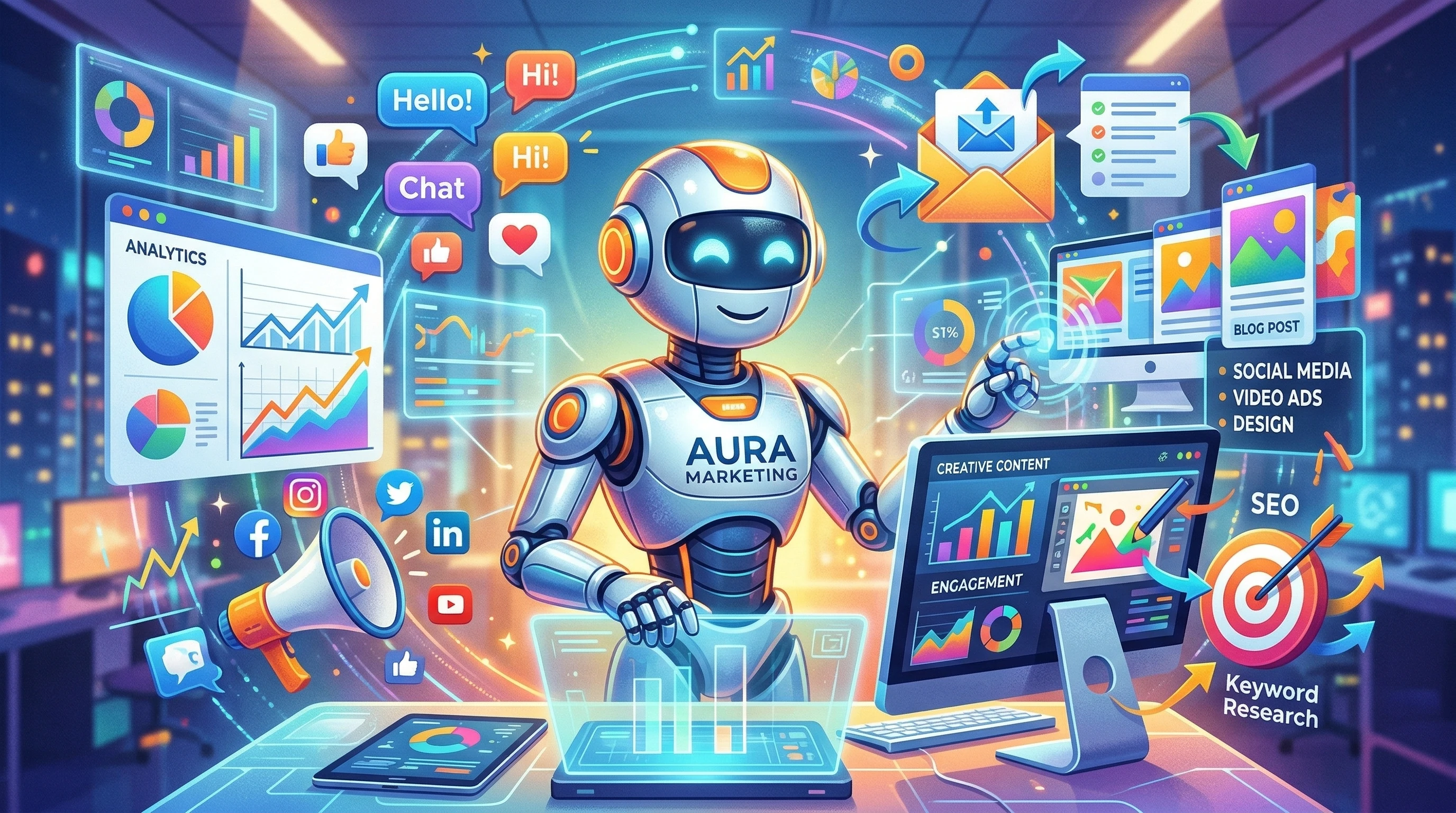
What Is AI Marketing Content Generation?
AI marketing content generation means using artificial intelligence to write, design, or develop marketing materials like blog posts, email campaigns, product descriptions, social ads, and plenty more. These AI tools take your prompts, research, or brand guidelines and turn them into content ready for your audience. This process saves time, increases consistency, and helps marketers keep up with growing content demands.
AI content generation for businesses can include everything from making headlines to fixing up technical SEO and even creating entire video scripts. As more brands turn to digital channels, using AI content creation tools is a practical way to meet deadlines while staying creative and competitive.
Why Businesses Are Turning to AI Content Creation Tools
The demand for fresh, engaging, and optimized content is at an all-time high. AI content creation tools fill the gap by producing content fast and at scale. If you’re managing a blog, an email list, social feeds, or product listings, finding the time to write consistently is tough. AI driven content creation helps lighten that load and prevent burnout.
Many teams have seen that combining AI generated drafts and human editing leads to efficient, high quality projects. It frees up marketers to focus on strategy and creativity, while AI handles the repetitive heavy lifting, data research, and basic formatting.
Main Types of AI Powered Content Used in Marketing
- SEO Blog Posts: AI can draft longform articles based on keywords and topics, making content publishing faster.
- Email Newsletters: Many platforms let you generate attention grabbing subject lines, preview text, and body copy.
- Product Descriptions: AI easily creates hundreds or thousands of product descriptions for online stores without tiring out your team.
- Ad Copy: Get multiple ad variations for platforms like Facebook, Google, or Instagram, as AI serves up fresh suggestions for A/B testing.
- Social Media Posts: AI tools can write, schedule, and even suggest images for your brand’s posts, keeping your social calendar full.
- Visual Content: Some AI platforms generate images, infographics, and short videos that add some next-level cool factor to campaigns and boost engagement.
Jumpstarting with AI Content Creation in 2026
If you’re new to AI driven content creation, it’s best to start simple. Try picking one area, say, your blog, and test out an AI writing tool to generate a few articles. See how the process works, then branch into emails or product pages as you get comfortable with the workflow and results.
Here are a few steps that helped me get started:
- Define Your Goals: Are you looking to save time, boost SEO, or repurpose old content? Clarifying goals helps narrow down the AI tools that will really give a boost to your content creation.
- Pick the Right AI Platform: Always try a few solid options. Some are all in one (like Jasper or Writesonic), others specialize (like Copy.ai for ads or Surfer SEO for blog content).
- Add Brand Guidelines: Training the AI on your business voice, target audience, and style takes your content results up a notch and helps the output hit closer to what works for your brand.
- Edit and Optimize: Fast output is great, but you still want to make sure tone, facts, and SEO are on point. Even a quick review and some light editing make a world of difference.
As you get more comfortable, expand to using AI for emails, creative campaigns, updates to product listings, and more. Remember, you can mix and match different AI content tools until you find the right blend for your needs.
Features to Track Down in the Best AI Tools for Content Creation
Choosing an AI writing tool or generator doesn’t have to feel overwhelming. I focus on a few practical features for day-to-day use:
- Writing Quality: The top tools should spit out natural, engaging content that feels like a real person could have written it. Request a sample before making a commitment.
- Customization: Make sure you can select different tones, styles, or even upload custom brand voice samples. This is key for consistency if you manage multiple brands or campaigns.
- Template Selection: Having built in templates for emails, social posts, product pages, and more helps you crank out projects faster and keep messaging on target.
- SEO Integrations: Some AI platforms come loaded with keyword research, SEO scoring, and optimization prompts so you can make your articles competitive on Google without extra plugins.
- Collaboration Support: If you work on a team, look for versions that make it easy to give feedback, check edits, and approve drafts in one spot.
Try out the core features of each tool before buying in, they can vary a lot in price and function, but most offer free demos or short trials to help you make the right call.
Comparing Popular AI Content Creation Tools
I’ve experimented with many platforms, so here’s a quick look at some top AI content creation tools and what sets them apart in everyday use:
- Jasper AI: Flexible for blogs, ads, landing pages, and emails. Creative, solid SEO support, and offers a wide range of content types.
- Writesonic: Extremely fast turnaround, userfriendly, and makes short work of ad and product page writing thanks to a deep well of templates.
- Copy.ai: Especially handy for ad copy and social posts, simple enough for beginners and advanced users alike.
- Surfer SEO: Links up content creation with keyword research, plus provides real time on page optimization tips.
- Writer: Made for teams focused on proper language, compliance, and a consistent voice, it’s ideal for larger organizations.
Each package has its strengths. I recommend stumbling upon the best fit with hands on use, try free trials, experiment on real projects, and track which features save you the most time.
How AI Is Changing Content Marketing Strategies in 2026
AI content marketing strategies in 2026 are less about churning out endless, generic blog posts and more about highly targeted, data driven campaigns. Today’s AI can target content based on audience segment and intent, suggest cross channel promotions, and even forecast campaign outcomes.
This switch up means businesses can zero in on specific audiences, hitting them with tailored messaging that matches their stage in the buying process or what they’ve checked out before. That leads to higher engagement and better overall results.
Balancing Human Creativity with AI Generated Content
One key takeaway, AI is not here to replace your creative spark! It lets you scale up ideas, brainstorm fresh angles, and automate the repetitive stuff. The best marketing content still comes from mixing human creativity with AI generated drafts and then putting your brand’s personal stamp on it.
Plenty of teams use AI like a creative sidekick, testing ad headlines, combining suggestions, or using AI insights to spot what the competition misses. That blend helps your marketing pop without feeling formulaic.
Common Challenges and Solutions
- Repetitive or Generic Content: Spice up AI first drafts with location based examples, specific stats, or inside jokes your target audience will relate to.
- Inconsistent Brand Voice: Train your AI with brand samples and check the output for style, consistency goes a long way in building trust.
- Fact-Checking: Sometimes AI makes things up. Double check references, stats, and data before publishing to keep content credible.
- SEO Overload: AI can go overboard with keywords. Always review keyword density and write for humans first.
- Overreliance on AI: Keep humans in the loop to add personality, humor, and that special creative magic.
Editing Tips for Better AI Marketing Content
Before publishing or sending to clients, give each draft a once over by asking:
- Does the content reflect your brand personality and energy?
- Are facts and figures checked against trusted sources?
- Is the language smooth, authentic, and enjoyable to read?
- Did you personalize with real company details, strong calls to action, or sharp images?
Take your time here. Even with the best AI tool, a human touch is what really brings your message to life.
Real World Uses for AI Content Generation in Businesses
With my own projects and clients, I’ve found that the following ways of using AI make a huge impact:
- Refreshing Old Content: Use AI to update website text, adjust links, and bring old posts back to the front page with new details in bulk.
- Brainstorming Campaigns: AI accelerates idea generation for headlines, subject lines, and angles for different A/B tests.
- Personalized Outreach: Templatize email and proposal drafts, then finish each by inserting custom data for a more personal approach.
- Scaling Landing Pages: Build out multiple landing pages for different audiences fast, so your message is always on point.
- Content Localization: Let AI translate and edit copy for different languages or regional needs, then fine tune for context.
What’s powerful is that AI content creation isn’t just for companies with big ad budgets. Solo entrepreneurs, growing teams, and agencies all get more mileage from their content calendars when AI is part of the mix.
Frequently Asked Questions
Here are plenty of questions that come up when businesses think about using AI for content marketing work:
Question: Can AI generated content hurt my SEO?
Answer: When you edit, double check, and optimize your AI created content, it can absolutely give your SEO a boost. Avoid copy paste jobs and read up on Google’s originality advice.
Question: What’s the most important thing to watch for with AI generated marketing?
Answer: Keep a close eye on facts and brand voice. Even great AI tools can produce mistakes or bland text if you don’t review.
Question: How do I make AI content sound more natural?
Answer: Inject your own energy, anecdotes, and unique insights. A splash of personality takes AI generated text from generic to memorable in no time.
Question: Are there any risks I should know about?
Answer: The main risks are dipping in content quality, getting stuck in automation, and missing out on creative breakthroughs. Keep people in the loop and keep experimenting.
Best Practices for AI Content Generation in 2026
Keeping your AI marketing content production on point is all about using a few simple best practices:
- Set Clear Guidelines: Write out style and voice guides for every project so the AI knows your rules up front.
- Keep Feedback Loops Short: Let real people review and edit content as soon as it rolls out from your AI tool for the fastest results and best quality.
- Mix Content Formats: AI isn’t just for text, make use of image generators, video templates, and scripts to create campaigns that stand out on every channel.
- Monitor Performance: Regularly check analytics and see which AI generated pieces are landing with your target audience, then tweak your strategy as you go.
Staying hands on with your edit and review process guarantees that AI generated marketing content actually saves time without losing the voice and creativity that make your business unique.
Getting into AI content generation for businesses is easier than ever. With the right blend of smart tools and motivated humans, scaling your marketing game for 2026 and beyond becomes easier, faster, and a whole lot more fun.

This article was created with AI assistance and reviewed by a human editor.








AI has been a game changer when it comes to writing new content, but the thing is that we do still need to edit it, add our own experiences and advice, otherwise it can come over very boring with no personality. I seem to see that a lot on the internet at the moment.
Thank you for your selection of tools. I have heard that Jasper is great, but would love to know what you think the best writing tool out there is?
That’s a really honest observation, and I completely agree. AI can give you a strong draft, but without your own voice and experience, it can feel a bit “flat.” The best content still comes from that mix of AI + human personality.
When it comes to the best writing tool, there isn’t just one winner, it really depends on what you’re trying to do. But here’s a simple, real world breakdown based on what’s working in 2026:
My take on the best tools right now
Best overall: ChatGPT
It’s the most flexible, you can write blogs, edit, brainstorm ideas, and even shape tone. That’s why it’s often ranked as the best all rounder.
Best for marketing/content teams: Jasper
You’re right about Jasper, it’s excellent if you want consistent brand voice and structured content (ads, emails, campaigns).
Best for blogging & SEO: Writesonic
Great if your focus is blog posts and ranking on Google. It’s also more affordable and good for solo creators.
Best for quick ideas & short content: Copy.ai
Super easy to use, especially for social posts and quick drafts.
Best for editing & polishing: Grammarly
This is the one I’d say is essential, because it adds that final human like clarity and tone.