Originality is more than just a buzzword when it comes to AI generated content. Whether you’re working on a blog post, building website copy, or simply experimenting with AI tools, it’s really important to make sure the words you publish are truly unique.
If you’re new to this, staying away from accidental plagiarism can feel tricky, especially since AI sometimes pulls from huge data sets with no clear lines between what’s original and what’s borrowed. I’m breaking down what you need to know to keep your AI writing clean and authentic, with some practical AI content originality tips you can use right away.

Why Plagiarism Happens in AI Content Creation
AI writing tools keep getting smarter, but that doesn’t mean they’re flawless. Plagiarism can sneak in, sometimes without you even knowing, because these tools learn by analyzing tons of online data. Many large language models are trained on websites, news articles, books, and more. When the output sounds really polished, some pieces or phrases might look a bit too familiar to existing content.
This doesn’t mean all AI writing is risky, but it does mean you need to be aware. AI content can repeat phrases or structures it has seen before, and that can lead to unintended duplication. Anyone relying on AI for content, copywriters, business owners, teachers, even casual bloggers, needs to double check before publishing. Being aware of these risks is the first step in avoiding plagiarism in AI writing.
Easy Ways to Ensure Originality in AI Content
It’s actually simpler than you’d think to avoid copy paste problems with AI generated writing. Following some originality guidelines for AI content will help you build your own voice and make your writing really stand out. Here are my favorite strategies for staying clear of plagiarism:
- Don’t Rely on the First Draft: The first result from an AI tool shouldn’t be your final draft. AI often gives generic, surfacelevel answers. Personalize the text, add your own experiences, and tweak it to match your unique style.
- Blend Research Sources: Use information from multiple reputable places and put what you learn into your own words. Avoid simply repeating what AI gave you, mix together and rewrite for a more original spin.
- Fact Check and Paraphrase: When AI provides stats or quotes, always doublecheck with reliable sources. Then, paraphrase the details in a way that fits your readership and topic.
- Use an AI Content Originality Checker: Tools like Copyscape, Grammarly, and Turnitin are pretty handy for running quick originality scans before publishing. Several platforms also have builtin AI content detection to warn you about repetitive or plagiarized phrasing.
Sticking to these habits helps you build a routine that highlights your own insights while reducing plagiarism risks.
StepbyStep Guide to Avoiding AI Content Plagiarism
- Outline Your Topic First: Jot down key points, questions, and personal examples before turning to any AI tool. This gives your work a clear direction and a voice that’s all your own.
- Use AI for Inspiration, Not Copying: Treat the suggested text as a brainstorming aid. Pick out unique ideas, and rewrite details in your own words.
- Run Every Draft Through a Plagiarism Checker: Even if you’re confident, scanning your text with a trusted originality checker is worth the extra minute.
- Edit for Your Voice: Inject your thoughts, opinions, and writing style throughout. Readers can tell when content feels personal, which not only avoids plagiarism but also increases trust.
- Cite Unique Facts or Quotes: When sharing specific numbers, research findings, or direct quotes picked up by AI, give credit with a simple mention or link back to the source.
Building originality into your writing process from the first note to the final draft is super important for reputation and audience trust. Try jotting reflections or unique perspectives after your AI draft, helping you shape content that’s unmistakably yours. The more you practice, the more natural it feels to bring your voice into every sentence. Don’t shy away from changing up paragraph structure or adding fresh insights. These habits set your content apart and make it more memorable for your audience.
Common Challenges and How to Tackle Them
Plagiarism in AI content isn’t just about intentional copying, sometimes you don’t even realize it’s happening. Here’s a quick look at some hurdles and practical tips I’ve picked up for overcoming them:
- Overfamiliar Phrasing: AI likes to repeat common expressions or sentence structures. Remedy this by giving your draft a read for tone and rearranging sentences to sound more like you.
- Repeating Data: If your topic is covered everywhere, you might end up sounding like everyone else. Mix up your sources and focus on a unique angle or personal story to keep it fresh.
- Lack of Perspective: Purely factual pieces often lack a personal perspective, making them more prone to duplication. Add firstperson commentary, or share how you’ve applied advice in real life.
- Citations and Sourcing: Forgetting to cite can make things look plagiarized. Whenever you use very specific claims, quotes, or statistics, cite them directly, even a quick credit at the end will help.
Fixing these things doesn’t have to be tough, it’s just a matter of building the habit. If you ever feel uncertain, it’s always worth giving your text a onceover. Fresh eyes can help you spot clichés or tired phrases that make your content blend in rather than pop. Consider asking a colleague or friend to read through for unique voice and originality. Doing so can help ensure you maintain a recognizable style that stands out from automated writing.
Using AI Content Originality Checkers
There’s a big range of originality checkers and AI detection tools you can use. Here’s how I usually pick and use them:
- Accuracy: Some online checkers are more thorough than others. Run your work through at least two for a more complete check.
- Feedback: Good tools not only flag duplicate phrases but also give tips for editing. Look for platforms that guide you on how to rewrite or paraphrase flagged segments.
- Privacy: Read privacy policy details before uploading sensitive drafts. Stick to reputable platforms, especially for professional or client work.
Popular tools worth checking out: Copyscape, Grammarly’s plagiarism feature, Turnitin (mainly for educational use), and Originality.ai (designed for AI detection). These make it easier to catch accidental overlaps before your work goes live. Also, test smaller parts of your content at a time for deeper accuracy. Play around with each platform’s features to see which best matches your style and needs. You might even discover extra editing advice or keyword suggestions that further boost originality.
Real World Examples of AI Writing Ethics and Originality
Ethical writing with AI isn’t just about passing plagiarism scans, it’s about building trust with your audience and creating value that stands out online. Here are some examples of what that can look like in different settings:
- Educational Content: Teachers and students using AI for assignments should always credit major sources and use AI to structure, not to write full essays.
- Business Blogs: Content marketers and business owners using AI for articles get better reader engagement by including genuine anecdotes, case studies, or customer stories. This ensures the writing remains unique even if the structure is AI-assisted.
- Creative Writing: Authors relying on AI for brainstorming keep their own creative style by combining AI ideas with personal memories or existing characters.
By following basic originality guidelines for AI content, writers in every field can publish with confidence. Set clear boundaries and always keep your values at the core of your work. Aim for a balance between inspiration from AI and authenticity. This approach resonated with audiences and can help you set new standards for quality, ethical writing.
Advanced AI Content Originality Tips
Stepping up your game isn’t just about running more checks, it also means thinking creatively about how you use AI. Here are a few approaches that have worked well for me and others aiming to get the most out of their AI tools:
- Switch Up Your Prompts: Changing your input questions and prompts leads to more innovative results from most AI platforms. Ask openended questions, or mix in your own keywords to get less predictable drafts.
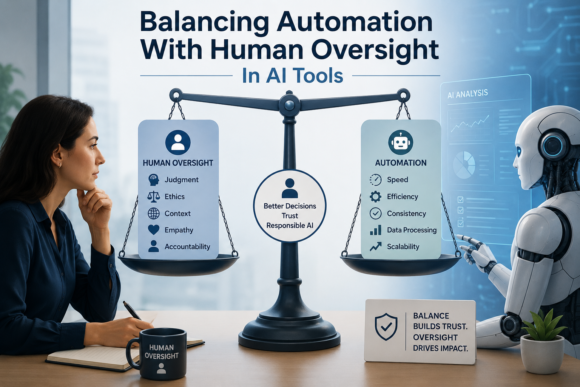
- Team Up Instead of Automate: Treat AI like a collaborator. Use its output to spark ideas, then blend those ideas with your own research, opinion, or storytelling.
- Version Control: Save original and edited drafts, then review changes to spot what’s routine versus what reads uniquely. Comparing versions makes it clear where your voice shines through.
- Limit CopyPaste: Rewrite paragraphs in your own words as much as possible. Typing things out instead of copying keeps your ideas fresh and original.
Playing around with prompts, adding extra steps, or mixing up your editing approach are all practical ways to ensure originality in AI content. Embrace your unique voice and keep challenging yourself to set the bar higher. The more you mix in your experiences and background, the more memorable your content will be, AI is just the starting point, not the finish line.
Frequently Asked Questions
Question: How can I ensure originality when using AI generated content?
Answer: Edit every AI draft to add personal insights, run it through a reliable originality checker, and always cite unique facts or direct quotes.
Question: What happens if I accidentally publish plagiarized AI content?
Answer: It’s best to remove or rewrite the content right away. Learn from any flagged content so you can adjust your process for future pieces.
Question: Are there free AI content originality checkers?
Answer: Yes, some tools like Grammarly and SmallSEOTools offer free plagiarism checking options, but premium versions usually catch more subtle matches.
Question: How do I cite AI-generated ideas?
Answer: If the AI tool inspired a totally new idea or unique phrasing, a simple note (e.g., “Drafted with the help of [AI Tool]”) can add transparency for readers.
Final Thoughts
Original AI writing isn’t complicated with a few habits in place. Take inspiration from AI, but trust your own experience and add your voice every time. Readers can tell when writing comes from a real person. That’s what makes your content unique, and it’s what helps you build trust, improve SEO, and steer clear of plagiarism worries for good.
Make originality your superpower in the digital age and establish your distinctive mark, no matter which AI tool is by your side.

This article was created with AI assistance and reviewed by a human editor.