AI content ideation tools have truly changed the game for anyone working in content marketing, blogging, or social media management.
If you ever sit in front of a blank page, stuck for ideas or struggling to write catchy headlines, you’re definitely not alone. Pretty much every creator deals with this challenge at some point. Using the best AI tools for headlines and ideation is an amazing shortcut for smashing through creative blocks and saving loads of time. In this article, I’m breaking down how these new tools work, what you can expect from them, and how to use AI for content strategy in a way that’s practical but still creative and original.

Why AI Content Ideation Tools are So Useful
Even experienced writers sometimes get stuck trying to think up fresh topics or compelling headlines on a daily basis. AI content ideation tools help in several ways: they scan massive datasets, recognize patterns, and pull in trending keywords from different corners of the web. Instead of stretching your brain for topics, you can use these AI tools for a steady supply of relevant, SEO friendly ideas. Often, you’ll find headline suggestions, outlines, and even short captions that suit your needs.
Content teams at all levels ranging from solo bloggers to major brands, use these tools to speed up the brainstorming process and improve idea quality. Since most offer a mix of free and paid features, you can experiment with a few to find what fits your own workflow best.
What is AI Ideation? How Does It Work?
AI powered content ideation uses smart algorithms like machine learning or GPT models to suggest topics, structures, and even questions your target audience cares about. Typically, you’ll provide a keyword, a brief description, or details about your audience. The tool analyzes trending content, SEO gaps, common questions, and competitor articles to suggest ideas you might never have come up with on your own.
- Natural Language Processing (NLP): AI scans search engines, forums, news sites, and social media to see how people phrase questions or topics. That’s how it churns out suggestions that don’t sound robotic or random.
- Trend Analysis: If you want to jump on trending topics, AI tools can pull in real time trends from sources like Google, Reddit, or other popular platforms to keep your ideas up to date.
- Personalization: Some top rated AI content writing tools let you tailor tone, industry, and audience, giving you suggestions that feel like they were made just for you.
Getting Started, How to Use AI Content Ideation Tools
The first step is selecting a tool. Well known AI content ideation tools to check out include Jasper, Copy.ai, Writesonic, and BuzzSumo. Each one brings something special to the table, but the workflow for idea generation is generally similar:
- Set Your Goal: Are you brainstorming blog post topics, social media content, email subject lines, or ad copy? Make this clear so the AI gets the exact focus you want.
- Give Input: Enter your main keyword, general topic, or a short description of your target audience. The more detail, the better the AI’s ideas.
- Review Suggestions: Look through the suggested topics, headline ideas, or outlines. Pick, tweak, or combine as needed to best match your style and voice.
- Save Favorites: Keep a list of the ideas you like or export them straight into your content planning tool.
- Try Again: Change your inputs or run new keywords if you want to explore other angles or find a fresh perspective.
Some platforms even include team features so multiple people can contribute, making brainstorming sessions collaborative and much less stressful.
Best AI Tools for Headlines and Content Ideation
Here’s a rundown of several AI headline generators and ideation platforms that are popular among both beginners and seasoned content marketers. These options each pack unique features worth noticing if you want to speed things up or break through a creative rut:
- Jasper (formerly Jarvis): Jasper shines for its simple dashboard, generating blog titles, outlines, FAQs, and more from just a prompt or two. Marketers appreciate how you can customize outputs easily.
- Copy.ai: With free options for topic brainstorming and headline generation, Copy.ai is perfect for generating social post ideas or quick advertising copy.
- Writesonic: Writesonic is handy for both outlining and pumping out SEO ready headlines from any main keyword you type in.
- BuzzSumo: BuzzSumo scrapes the web for top performing content across blogs and social platforms, ranking them by engagement so you can see what’s working before crafting your own unique angle.
- ChatGPT (OpenAI): Though not solely for ideation, ChatGPT can yield creative blog ideas or viral headlines by testing prompts like “Suggest blog ideas about eco-conscious fashion trends in 2024.” Playing with your prompt structure makes this tool even more versatile.
Features to Look for in AI Ideation and Headline Tools
- SEO Integration: Some tools highlight keyword search volume or pull trending questions, which helps boost organic traffic when picking ideas.
- Team Collaboration: The ability to share ideas quickly with others and gather feedback is a big plus for content teams.
- Exporting and Savings: Tools that make it easy to send lists to Google Docs, Notion, or Trello greatly reduce time spent copying and pasting.
How to Generate Headlines with AI
Writing a catchy headline isn’t just about grabbing attention; it needs to suit your keywords and the feel of your content. Here’s the approach I use with AI headline generators to really get it right:
- Set Your Intent: Label your content upfront (e.g., list, how to, opinion, or news piece) for more tailored suggestions from the AI.
- Use Relevant Keywords: Plug in your core keyword or phrase (“Best running shoes for beginners” or “2024 SEO tips”). AI tools help make these stand out for SEO.
- Choose a Tone: Want it playful, formal, urgent, or expert- evel? Typing this into the prompt makes a noticeable difference in output style.
- Tweak and Regenerate: Don’t settle for the first suggestion. Adjust as needed and have the tool run it again until you hit on the right headline.
- Check for Uniqueness: Some tools scan the web for duplicate headlines, helping you avoid reusing titles that have already made the rounds online.
Combining these steps helps you not only brainstorm headlines but actually come up with more clickable, unique, and SEO friendly titles that make readers curious.

How AI Can Step Up Content Marketing and Strategy
Using AI for content strategy is more than simply inventing new topics. It’s about developing a plan with ideas that will actually reach your target audience. Here are a few ways that leading creative teams use AI to take their strategy up a notch:
- Finding Content Gaps: AI tools can audit your site or the industry, showing topics or questions you haven’t covered yet. No more guessing, just a ready-made list based on real search patterns.
- Boosting SEO: Well made headline generators suggest high impact keywords plus angles that encourage more clicks, boosting both visibility and results.
- Scaling Ideas and Output: On a tight deadline? AI tools let you quickly create more content ideas without sacrificing quality or imagination.
- Measuring What Works: A few tools also track what headline formats work best, letting you build on past successes and refine your approach over time.
AI Content Writing Software Reviews
After trying countless platforms firsthand, I can say there’s hardly any learning curve. Free plans are the right way to start. I recommend paying attention to how simple each interface is and whether you can export ideas easily. Most professional content editors and marketers use AI tools as a springboard—never as a replacement for their creative process. Key things to check include:
- Quality of Ideas: Are suggestions actually useful for your niche, and do they come across naturally?
- Customizability: Can you adjust for different tones, formats, or content types?
- Price Point: Decide if paid upgrades are worth it given what’s included with the free version.
Troubleshooting: Common Pitfalls with AI Content Ideation
While AI headline generators do most things well, there are a few issues to keep in mind for the best results:
- Repetitive Output: Some entry level tools offer up ideas that echo each other. Running your prompt through more than one tool or adding your personal twist will help fix that.
- Generic Suggestions: If you only provide a short, bland prompt, you’ll usually receive vague ideas in return. Give some context, examples, or desired style for sharper results.
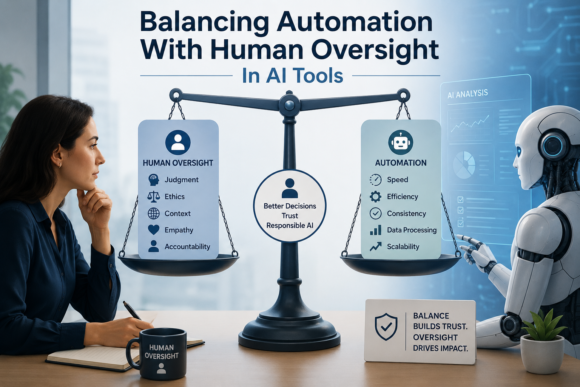
- Missing Human Element: AI can churn out lots of content, but a good human review for clarity, accuracy, and voice should always be your last step before publishing.
- Keyword Overload: Sometimes, AI platforms repeat keywords too often. Editing for a smoother headline will help your final product read better.
Personalizing Headlines and Topics from AI Suggestions
AI is brilliant for rough drafts, but adding your own spin makes content memorable and authentic. Here are ways I polish headline ideas to make them pop:
- Add Local or Timely Angles: If you get “21 Tips for Social Media Managers” as a suggestion, improve it with “21 Time-Saving Tips for Social Media Managers in Chicago (2024 Edition).”
- Insert Numbers or Strong Words: Changing “Using AI for Content” into “7 AI Techniques to Supercharge Your Content Game” drives more clicks instantly.
- Focus on Real Results: Headlines like “How to Build 50+ Blog Ideas in Minutes with AI” stand out because they promise a clear, measurable benefit.
Examples, Making the Most of AI Headline Generators
Below are practical examples of how I brainstorm new blog titles and outlines with AI in a matter of minutes:
- Prompt: “Healthy recipes for busy professionals”
Headline Output: “10 Quick & Eye Catching Healthy Meals to Try After Work” or “No-Stress Meal Prep Tips for the Busy Professional” - Prompt: “Remote work productivity tools 2024”
Headline Output: “Top 7 Remote Work Tools to Boost Productivity This Year” or “Essential Apps for Successful Remote Teams in 2024” - Prompt: “AI for content marketing”
Headline Output: “How AI Is Changing Content Marketing: What to Watch in 2024” or “AI Content Platforms Marketers Love for Higher Engagement”
Test out different prompt styles, swap your main keyword, or add more context to get even more angles and options for your projects.
Frequently Asked Questions
Let’s cover some direct answers to the questions I hear most about using AI content ideation and headline generators:
Question: How can I check if AI generated ideas are unique?
Answer: Run your headline or idea through a Google search or a plagiarism checker. Most paid tools try to keep ideas original, but I always double check to be sure I’m not repeating what’s already out there.
Question: What should I look for in a good AI content ideation tool?
Answer: Look for tools that are intuitive, let you customize the output, and make saving/sharing easy. Bonus points if the tool keeps suggestions updated with the latest web trends.
Question: Will AI replace brainstorming altogether?
Answer: Not likely! AI helps speed up and smooth the process, but you’re still in charge of creativity. Think of it as a sidekick, it handles repetitive tasks so you have more energy for research and the creative touches.
Question: Can these tools work for all types of content?
Answer: The vast majority are flexible enough for blogs, emails, videos, newsletters, and even eBooks. Some offer templates for posts or ad copy, so you can use them for almost anything you need.
Wrapping Up
AI content ideation tools and headline generators have transformed my work in content marketing. They’ve made idea generation faster, more strategic, and genuinely enjoyable again. Whether you’re a beginner needing a push or a seasoned pro after smarter systems, AI powered tools remove the uncertainty from brainstorming.
The magic is in blending smart AI with your unique skills, always check, fine tune, and craft headlines for what your specific audience wants. If you use these tools thoughtfully, you’ll spend less time doubting your next idea and more time crafting content you’re excited to share.
This article was created with AI assistance and reviewed by a human editor.