Remote work has brought new opportunities, but with them comes a sharp rise in online job scams. Reports of fake remote positions and hiring fraud have become more frequent, especially moving into 2026. As someone who’s looked for flexible work myself, I know how easy it is to get excited about a great-sounding job only to wonder later if it’s real. Knowing how to identify remote job scams can help protect your personal information, your time, and your peace of mind. I’m sharing a practical checklist and the latest advice to ensure a remote job offer is legitimate.
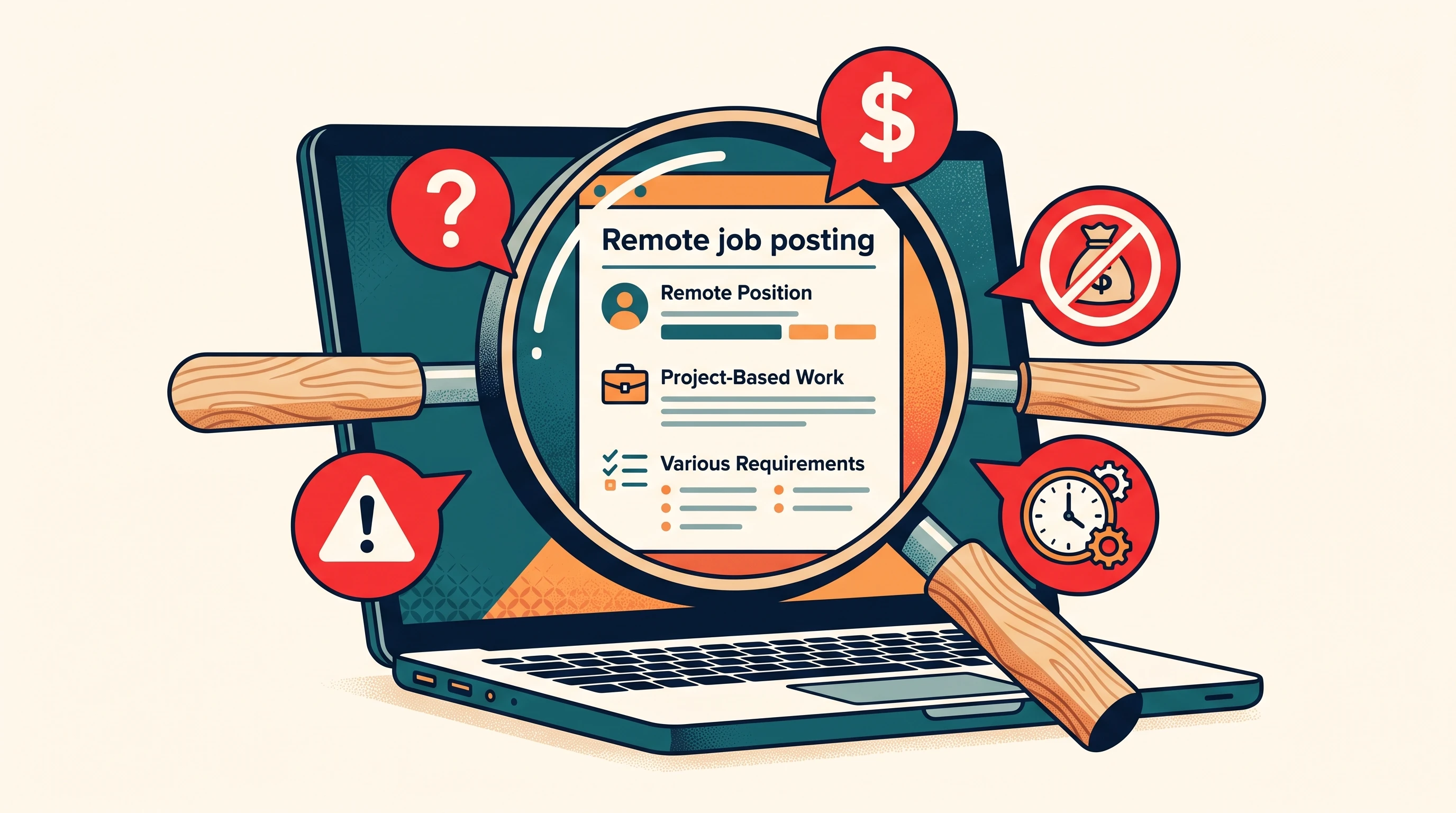
Top Remote Job Scam Indicators
Remote job scams have become much more creative over the years. When I browse job postings or respond to recruiters, spotting the red flags early saves me from bigger problems later. The top remote job scam indicators to watch for include:
- Requests for money up front: Any job asking you to pay for training, apps, or equipment before hiring should be avoided.
- Vague or generic job descriptions: Listings that don’t explain the actual job duties or requirements are often suspicious. Real employers are clear about what they want.
- Promises of high salaries for little experience: If something sounds too good to be true, like huge pay for entry-level work, that’s often a warning sign.
- Interviews only by chat or text: Scammers avoid video or phone calls because it’s harder to trace them. Most reputable companies will request at least a video call as part of the process.
- Requests for personal or financial information too soon: If you’re asked for your banking info, Social Security Number, or ID scans early on, that’s a red flag.
- Unprofessional email domains: Legitimate companies almost always use their official domain (like john@company.com) instead of free services or odd addresses.
- No company information or presence online: If you can’t find anything about the company from a quick web search, that’s a sign to dig deeper.
- Pressure to act quickly: Being told you have to commit right away, or threats about losing the opportunity unless you act fast, are scare tactics common in scams.
Being able to spot these top remote job scam indicators guides me when reviewing options on remote job boards or in my inbox. Securing remote work starts with understanding and acting on these key clues.
Signs of a Remote Job Scam During the Interview Process
Scam tactics often become even clearer once you’re in the interview stage. Based on my own search experience and friends’ stories, spotting problems during remote interviews is super important. Here are some signs of a remote job scam to keep in mind:
- No video call or phone call required: Interviews done only by chat, messaging apps, or email are almost never legitimate.
- Quick, automated-sounding responses: If you get replies that don’t seem personal or fit your answers, they’re often automated or copied and pasted.
- Instant job offers without proper vetting: Real companies will take time to check your qualifications. Getting hired immediately, especially without any serious interview, is a warning sign.
- Pressure to make quick decisions: Pushy recruiters want you to ignore details and move quickly. Real employers let you take time to consider their offer.
- Asking you to buy equipment from specific vendors: Sometimes scams involve directing you to websites to buy ‘company-approved’ laptops or gear and then disappearing after you pay.
- Requests for passwords or private credentials: Legitimate employers should never ask for personal login details.
- No official offer letter or documentation: Reputable companies provide clear, detailed offer letters outlining salary, job details, and official contact information.
Staying alert to these signs has helped me avoid jobs that seemed good at first, but quickly showed their real colors during the interview phase. Your attention to how recruiters and companies communicate can save you from a lot of trouble down the road.
Recognizing Fake Job Offers Online
Online job scams aren’t limited to emails or private messages. Many now appear right on large job boards or social media. I’ve seen the same company name pop up multiple times with nearly identical job ads. Recognizing fake job offers online means looking for some common patterns:
- Duplicate job postings: If you see the same job advertised, word-for-word, across several boards, it might be a scam or at least not original to the company.
- Descriptions that are clearly copied from other jobs: Some scammers just reuse real postings to look legitimate. Using a snippet of text in a search engine often reveals its true source.
- Fake company pages and social profiles: While some scams use real company names, others set up business pages or recruiter profiles with almost no real content or activity.
- Recruiter profiles with no history: Genuine recruiters usually have employment histories, photos (not stock ones), and industry connections on LinkedIn or other professional sites.
- Job boards that lack verification checks: Boards or platforms with little or no account verification for posters tend to be less safe than established sites with vetting systems.
- Requests to connect outside the job platform instantly: Scammers want to move you away from monitored sites into private emails, chats, or even WhatsApp, where they’re harder to spot or report.
Checking for these signs of fraud when scanning online jobs helps me keep my guard up, especially on sites with less oversight. For more on legitimate remote options in fields like remote bookkeeping, sticking to trusted platforms and doing extra research pays off. Always take a moment to verify if you’re in doubt, and consider reaching out to others in your network for recommendations on trustworthy companies.
How to Check the Legitimacy of Remote Jobs
When a remote job looks promising, I take extra steps to check its legitimacy before sharing any details or committing further. Here are hands-on actions you can take to avoid online job scams in 2026:
- Search the company name with the word “scam” or “review”: A quick web search can reveal threads from people who have been burned.
- Verify the company’s official website and email: Make sure the job listing and emails match the domain and contact info on the official site.
- Look up the company on LinkedIn: Check that real employees are listed and that the organization has a reasonable number of team members connected.
- Check WHOIS records for the domain age: Scam sites often use recently created domains. Tools like Whois.net can help you see when the website was registered.
- Contact the company directly: Use a confirmed phone number from the company’s website (not the one in the job posting) to ask about the opening. If nobody knows about it, that’s a clue it’s fake.
- Read third-party reviews: Sites like Glassdoor and Trustpilot often feature reviews of employers, including suspicious or negative experiences.
- Cross-check recruiter names: Look for recruiter profiles on LinkedIn or the company site. Lack of history or odd profiles is a red flag.
Whenever I follow these steps, I feel a lot more confident that the job is the real deal. It’s a super important habit for anyone serious about working from home. Doing your due diligence often only takes a few extra minutes and can prevent major headaches down the line. Don’t rush this step, especially if the job seems particularly attractive.
Best Tips for Spotting Job Scams: Quick Checklist
I keep this list handy whenever I’m searching for or reviewing remote jobs. Here are some of the best tips for spotting job scams at a glance:
- Never pay upfront for any reason. Legitimate employers cover their own costs.
- Always check company details and the recruiter’s real online presence.
- Insist on a live video interview with a company email address; no exceptions.
- Be cautious of jobs with vague roles or unrealistic pay promises.
- Compare job postings across different platforms to spot duplicates.
- Look out for spelling errors, poor grammar, and unusual email addresses.
- Ask for a clear offer letter before giving any sensitive information.
- Trust your gut, if something feels off, take extra time to double check.
Following these tips has helped me and others I know skip countless sketchy offers and focus only on safe, real opportunities. If you stick to these checks, you’ll spend your energy only where it makes sense.
Best Platforms to Find Real Remote Jobs
Finding authentic work-from-home offers is easier when you know where to look. From my own research and job hunting, these are the best platforms to find real remote jobs:
- We Work Remotely: Focused entirely on remote roles, the listings are vetted, and the site is well-reviewed by real job seekers.
- FlexJobs: One of the most trusted platforms, FlexJobs screens every posting to weed out scams and low-quality listings.
- Remote.co: This site offers carefully vetted remote jobs and industry insights, making it a great spot for both tech and non-tech roles.
- Official company career pages: Going straight to a well-known company’s own site is usually the safest bet for the most up-to-date listings.
- LinkedIn Jobs (with “Verified” badge): LinkedIn now adds verification features and public company info, making it harder for scammers to operate there anonymously.
Avoid relying on random Facebook, Telegram, or WhatsApp job listings, as these often have little oversight and much higher rates of scams. If you’re new to searching or want more general advice on staying safe online, check out resources on video conferencing for seniors and trusted ways to earn income online. When in doubt, double-check with friends or professional groups before applying.

How to Avoid Online Job Scams in 2026
The scammers keep getting better, and with the rise of AI-generated job ads and even deepfake video interviews, it’s more important than ever to stay alert. Here are some habits I recommend based on what’s happening in 2026:
- Check for AI-generated language: Large parts of the posting that feel generic or mismatched may be machine-written. Copy sections of the text into a search engine to check if they appear in multiple places.
- Be wary of “video” interviews where the other person’s lips don’t sync: Deepfake tech is now used to impersonate real company staff. Look for glitches and don’t hesitate to request a follow-up with a different team member.
- Stick to reputable platforms: Jobs listed on highly vetted platforms or official company pages remain less risky.
- Don’t overshare anywhere online: Keep your home address, banking info, and Social Security number private until you have a signed offer and can confirm the company’s legitimacy.
- Use unique passwords for every site: If you end up on a fake job board, this keeps the damage contained.
- Trust your instincts: If a recruiter, website, or process feels off, it probably is.
My personal rule: Treat every new opportunity with healthy skepticism until you know for sure. With a bit of extra work up front, you can avoid the headaches, and sometimes worse, that come with falling for an online employment scam. Remember that keeping your knowledge up to date as scam tactics evolve is just as important as staying sharp with your technical skills.
Frequently Asked Questions
Job searchers, especially those new to online applications, often have a few key concerns. Here are some common questions and answers to help you gain confidence:
Is it normal for a remote job to ask for my SSN or banking details before I’m hired?
No, this usually only happens after you’ve signed an official offer letter and are setting up payroll directly with a legitimate employer. Early requests for sensitive info are a red flag.
What should I do if I sent personal information and then realized it was a fake offer?
Act quickly. Contact your bank, change related passwords, and report the incident to the site where the job was posted as well as the FTC or local authorities.
Can a real company contact me through Gmail or Yahoo?
Most well-known employers use their branded email addresses. Some startups or small businesses may use a free service, but it’s always worth double-checking to be safe.
Protecting your time and data when looking for remote work helps keep your job search productive and safe. Bookmark this checklist, share it with friends or family starting their search, and drop a comment below if you’ve run into a scam or want advice for a specific situation. Stay tuned for updates; scam tactics keep changing, but so do ways to stay secure and land legit remote work roles.
This article was created with AI assistance and reviewed by a human editor.