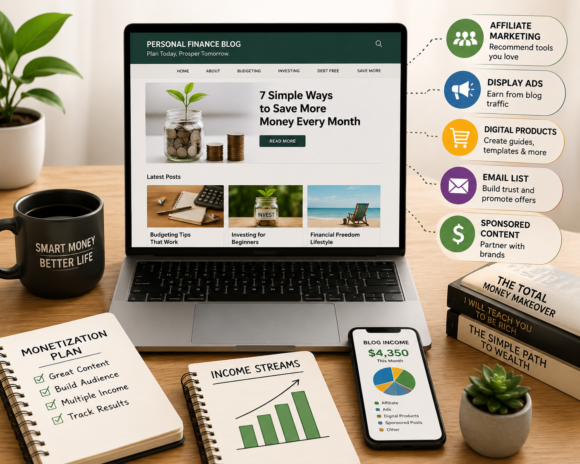
Email list growth is one of the smartest moves a personal finance blogger can make, especially if you’re running things solo or operating on a budget. Unlike social media platforms, where algorithms can change overnight and your reach can shrink with zero warning, your email list gives you a direct line to readers. You own your subscriber list, making it the most reliable way to build trust and drive real engagement and conversions over the long haul.

Step-by-Step Guide to Growing Your Personal Finance Blog Email List on a Budget
When I started my own finance blog, I knew building an email list was pretty important if I wanted to connect with my readers and grow my site over time. Social channels were fun, but email became the main way I kept conversations going, even when social reach fizzled. Growing a finance newsletter doesn’t mean you have to spend a ton of money, either. I’ve pulled together my favorite affordable strategies and practical tools in this step-by-step guide (tried and tested from my own experience), so you can boost your list no matter what stage you’re at.
1. Choose a Free or Affordable Email Marketing Tool
Your email service is the engine behind your newsletter, so choosing a beginner-friendly, budget option matters. Tools like Mailchimp, MailerLite, and ConvertKit all offer free tiers for new users or low-cost plans as you grow. For my first few hundred subscribers, the free plan was all I needed. Look for features like simple signup forms, list segmentation (so you can target readers based on their interests), and easy drag-and-drop email creation.
Price and ease of use are the main factors. I switched to MailerLite when ConvertKit got a bit pricey for my list size, and found both platforms pretty intuitive. Explore each and see which fits your budget and tech comfort level best for effective email list building for finance blogs. Don’t forget that tools often update, so keep an eye out for new deals or improved features.
2. Create an Irresistible Finance-Focused Lead Magnet
People don’t hand over their email address for nothing, especially with all the noise out there. A lead magnet, like a downloadable resource or calculator, gives readers a quick win and a reason to subscribe. For a personal finance blog, stick to things your readers already want help with. Here are some lead magnet ideas that worked well for me and others in the finance blogging space:
- Budget templates (Google Sheets, Excel, or PDF)
- Debt payoff trackers
- Savings goal calculators
- Monthly expense planners
- Cheat sheets for credit score improvement
After trying several, the most popular by far was my customizable monthly budgeting spreadsheet, which landed in hundreds of inboxes and sparked lots of replies. The trick: keep it simple, visually clear, and relevant to what your readers are searching for. This approach fits perfectly with top tips for finance bloggers to grow email engagement. If you’re not sure what to offer, just ask your readers in a poll or quick email, they’ll usually give you tons of ideas.
3. Place Opt-Ins Front and Center Where It Matters Most
Optimizing opt-in form placement is one of those personal finance blog growth tips that often gets missed. Your lead magnet won’t get traction if no one sees it. I found that forms worked best in three spots:
- Top of high-traffic blog posts: For example, above the intro of your “How I Paid Off $10,000 in Debt” article.
- End of posts: Once you’ve delivered value, offer your free resource and invite people to subscribe for more tips.
- Sidebar or sticky widget: Keeps your offer visible as readers scroll.
For WordPress users, free plugins like MC4WP (Mailchimp for WordPress) and Popup Maker are pretty handy for adding and customizing optins without any coding. Test different placements over a few weeks to see which layout drives the highest conversions.
4. Offer Content Upgrades and Use Free Popups Wisely
Content upgrades are small, extra resources tied to specific blog posts. For instance, if you’ve written a deep post on grocery savings, add a “Grocery Budget Checklist” opt-in directly within the post. When I tested this in a post about annual budgeting, the targeted upgrade boosted my conversion rate by 3x compared to site-wide forms.
Exit intent popups are another way to grab emails from folks about to leave your site. Tools like Popup Maker (free) and Hello Bar (free for basic usage) let you add attractive, non-intrusive popups. One tip: keep the offer focused and the copy short; no one likes a long popup.
5. Use SEO and Evergreen Content to Attract Subscribers
Evergreen finance topics like “best ways to save on groceries,” “how to start an emergency fund,” or “steps to build credit” get search traffic month after month. I update my top posts a few times a year to refresh resources and make sure I’m offering the most eye-catching lead magnets. Optimizing these posts with keywords like “how to get subscribers for finance blog” and linking back to your newsletter landing page will give you ongoing signups without paid ads.
Adding internal links in new and old posts (like “Check out my free savings calculator, get it here!”) keeps the subscriber pipeline steady as you grow your finance newsletter on a budget. You can also add calls to action inside your posts to regularly remind readers about your freebies.
6. Promote Your Newsletter on Social Media (Without Paying for Ads)
While social media doesn’t have the same staying power as email, it’s still a good place to generate buzz around your newsletter. Every time I published a new lead magnet or newsletter issue, I talked about it on Instagram, Twitter, and Facebook groups, just once or twice per post to avoid spamming. Pinned tweets, “link in bio” spots, and feature posts in niche finance Facebook groups all worked nicely for me. Join relevant finance communities and be helpful—share tips, answer questions, and slide your newsletter link in where it feels natural.
Try short stories demonstrating what your subscribers get (like “This week’s newsletter covers 5 no-nonsense budget hacks; sign up to get the next one!”), rather than just a hard sell. This natural approach really helped increase my conversion rate and shows how to promote a finance blog email newsletter for steady growth. Don’t be afraid to experiment with different types of content, too: ideas include quick video tips, testimonial screenshots, and results from your readers.

7. Partner With Other Finance Bloggers for Cross-Promotions
Partnering with other personal finance bloggers can be a massive win-win for reaching new readers. I’ve done newsletter swaps (where I feature their newsletter and they talk about mine), guest posts with strong opt-in links, and even collaborative challenges (like 30-day budget bootcamps) with shared email signup pages.
Building relationships starts with getting involved: comment on their posts, share their articles, and connect on social media. When you spot someone with a similar audience size and vibe, pitch a simple list swap or co-promotion. It costs nothing and consistently brings me my highest-quality subscribers. Don’t be shy about reaching out with a friendly message; most people are looking for new ways to grow their audience, too.
8. Write Emails That People Actually Open (and Stay Subscribed For)
Getting new subscribers is one thing, but keeping them engaged and happy is where the magic happens. Subject lines make the first impression; use curiosity, solve a pain point, or keep things personal (“My $50 Grocery Secret” outperformed “Weekly Finance Newsletter” by a mile in my tests). Try AB testing a few subject lines and see which one gets more opens.
Welcome sequences are your first shot at setting expectations and starting a relationship. My best-performing welcome email lays out what readers can expect, delivers the lead magnet, shares a short personal story, and invites a reply. That way, each new subscriber feels like they’re joining my community, not just another mailing list. People like to feel a human touch, so be authentic and encourage replies.
Being consistent (whether it’s weekly, twice a month, or monthly) and sending newsletters packed with actionable tips keeps unsubscribe rates low and engagement high. I always add “PS” sections asking for replies or questions, which helps build two-way trust, something algorithms can never match. Ask for feedback often and use ideas from your subscribers in your future emails.
9. Track Key Metrics. And Double Down On What Works
You only know what works if you track the basics. Most affordable email tools show you:
- Open rate: What percentage of people read your emails
- Click-through rate: Who’s actually clicking your links and resources
- Unsubscribe rate: Helps you spot if emails are annoying or missing the mark
- Growth rate: Monthly net increase in subscribers
If your open rates dip (anything under 20% usually means trouble), tweak your subject lines or sending times. If content upgrades are driving most signups, create more and promote them in other posts. Tracking stats was the main way I stumbled upon what my readers actually wanted, saving time and money on random tactics that weren’t doing much good. Keep a spreadsheet of your monthly numbers and look for trends over time so you can adjust quickly.
Common Mistakes That Slow Finance Blog Email List Growth
- Using a generic lead magnet: Offers like “Weekly Newsletter” aren’t compelling enough. Make your offer specific to personal finance struggles.
- Neglecting segmentation: Sending the same content to everyone can lower interest. Segmenting lets you send budget tips to newbies and investing guides to advanced readers.
- Inconsistent emailing: Going weeks without sending, then suddenly dropping multiple emails, confuses your list. Stick to a predictable schedule, whatever it is.
- Skipping welcome emails: Your first email does a lot to set the stage. Even a quick thank you and a summary of what to expect can make a difference in retention.
Action Checklist: Grow Your Personal Finance Blog Email List This Week
- Pick a free or budget-friendly email platform (MailerLite, ConvertKit, Mailchimp)
- Create a simple, finance-focused lead magnet (budget template or savings calculator)
- Add prominent opt-in forms to your most popular blog posts and sidebar
- Test a content upgrade in your next article (small, targeted giveaway)
- Promote your lead magnet + newsletter link in your social media profiles and top posts
- Reach out to one blogger for a guest post or list swap opportunity
- Write a welcome email that shares your story and delivers your free resource
- Log in to your email provider and check your stats (open rate, new subscribers)
Why Building Your Finance Email List Is Worth the Effort
It’s easy to get caught up in social follower counts or search traffic graphs, but growing your personal finance blog email list on a budget brings deeper, long-term value. Each solo creator or small finance blogger I’ve met who stuck with email saw real returns: more loyal readers, better product sales, and a tighter community—not at the mercy of changing algorithms.
Consistent effort, a dash of experimentation, and a focus on helping your readers solve real problems go a long way. There are no overnight hacks, but with these affordable email marketing strategies for finance bloggers, you’ll see your email list and your reader loyalty grow steadily no matter your budget. Keep learning, testing, and don’t be afraid to tweak your approach as you go. Your email list can become your blog’s biggest asset in the months and years ahead.
This article was created with AI assistance and reviewed by a human editor.