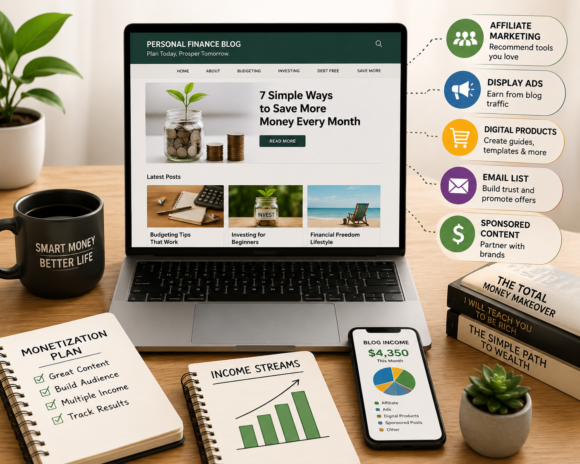
Making a personal finance blog profitable doesn’t have to be complicated. I started out sharing what worked for my own budget, hoping others would find it helpful. But over time, I realized that pairing helpful content with the right affiliate links opens up steady income, even for blogs with a small but loyal readership. If you want to monetize your personal finance blog and help your readers make better money choices at the same time, affiliate marketing for budgeting tools is one of the most practical ways to do it.
This guide walks through how to earn money with affiliate links, why this method works especially well for finance blogs, and the concrete strategies I use to keep income growing month after month. Whether you’re just starting out or looking to boost your existing revenue, you’ll find actionable advice and steps you can follow right away.
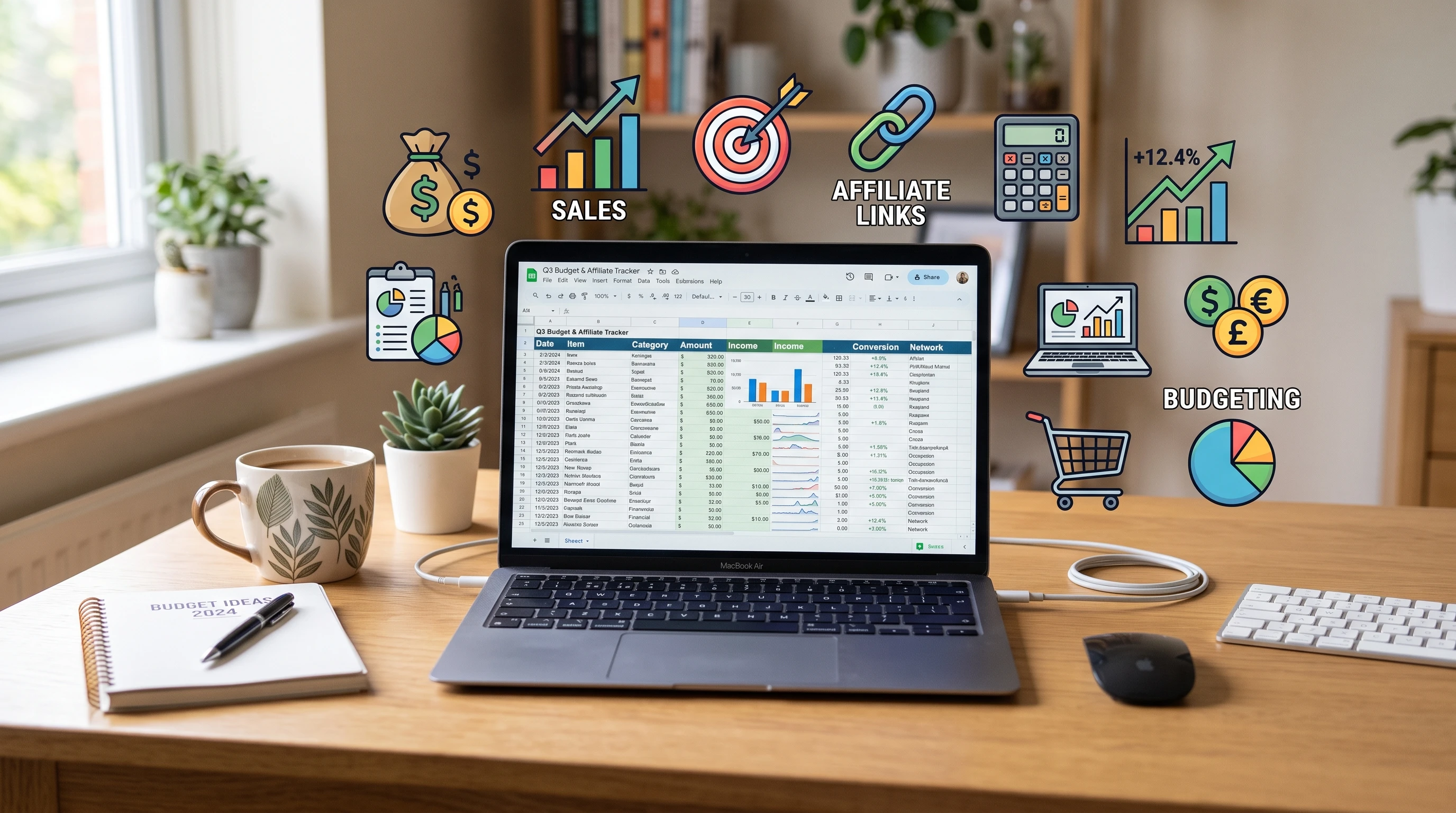
Why Affiliate Marketing Makes Sense for Personal Finance Blogs
Affiliate marketing is especially effective for personal finance bloggers because it pairs directly with what readers are searching for: real solutions to budgeting problems. When I recommend budgeting software or financial apps I’ve actually used, my readers get genuine advice, and I get paid if they sign up through my link. This model rewards me for being helpful instead of just displaying irrelevant ads or chasing down one-off sponsorship deals.
Compared to ads? Most personal finance blogs don’t get enough traffic to make meaningful money from display ads. Even big sites see low earnings per thousand pageviews, and ads can clutter the reading experience, making it less enjoyable for readers.
Compared to sponsorships? Sponsorships require negotiation and often come with lots of requirements, limits, and back-and-forth communication. Affiliate links, in contrast, are flexible. I can add them to any post at any time and keep earning from old content long after it’s published, which compounds earnings over time.
With affiliate marketing? I can recommend budgeting tools I trust to readers who already want to solve a money problem. If I’m clear and upfront about my recommendations, everyone wins, and trust is built naturally.
Pairing Finance Content with Reader Intent for Better Income
When I want to increase income from my finance blog, I focus on matching affiliate links to what my readers are already looking to solve. For example, people searching for “how to budget for beginners” are ready for step-by-step help. Someone reading an app review is usually closer to signing up for a tool that fits their needs and lifestyle.
Smart Content Ideas That Work with Affiliate Links
- Budgeting how tos: These are all-in-one guides for beginners or people in a specific situation, like “How to Budget on a Low Income” or “Setting Up Your First Family Budget.” Including affiliate links for tools I actually use gives readers an easy solution that they can try immediately.
- App reviews: Honest, super detailed reviews of a budgeting tool, including real screenshots and a pros/cons list, convert well. I link directly to the tool with my affiliate link so readers interested in trying it can easily sign up in just clicks.
- Comparison posts: “Best Budgeting Apps for 2024” or “YNAB vs. EveryDollar: Which Is Better?” are really popular topics. I include affiliate links for every tool I discuss, which allows readers to compare and choose their favorite, turning a single visit into a possible conversion.
Every time I plan new content, I think about what my readers want to solve and which budgeting tools or apps can actually help them. Then, I naturally include affiliate links as part of the solution so it feels seamless and genuine.
One extra approach that works: highlighting user stories or success stories from readers who started using a budgeting tool you recommend. Real results shared by readers add another layer of trust and can help sway those who are on the fence about trying a new app.
Content Strategies That Actually Convert Readers Into Affiliate Sales
Not all finance content works equally well when it comes to earning money from affiliate marketing. Over the years, I’ve tested a lot of formats and tracked my results. Here are the ones that consistently drive income for my blog:
1. In-Depth Reviews
I pick one budgeting tool and break down exactly how it works, what it costs, and how it helped me solve a specific problem. Including screenshots and a real breakdown of my results helps readers trust my advice. I always add an affiliate link near the top and another one near the end for those who are ready to try it. Additional tips, like mentioning unique features or quirks, also make your review stand out.
2. Step-by-Step Tutorials
Readers love guides like “How to Start a Budget with Tool X.” I walk through the sign-up process, show how to set up categories, and explain features using my own account. Affiliate links are added where a reader would naturally sign up or try the tool. I might also add a short checklist or quick troubleshooting section at the end to make the post even more useful.
3. “Best Of” Roundups
Posts like “7 Best Free Budgeting Apps” bring in people ready to try something new. I link to several affiliate programs in one article, giving readers options and increasing the odds they’ll find something that clicks. I include a quick summary for each tool along with my affiliate link, and sometimes a comparison table for easy reference. Since not every tool fits every user, roundups make sure there’s something for everyone who lands on your post.
4. Personal Case Studies
Documenting how a budgeting tool helped me pay off debt or save for a big goal builds trust. The personal story (with real numbers) encourages readers to click and try the same tool, especially with a call to action like “Sign up for a free trial here.” Visual progress charts or before/after comparisons can make the impact even clearer.
I found that writing with my actual experience, rather than just listing features, always helps drive both trust and clicks from curious visitors. Inviting readers to share their own experiences in the comments also opens the door for genuine discussions and follow-up questions.
Step by Step: How to Add Affiliate Links for Budgeting Tools to Your Blog
Once you’ve joined some affiliate programs, adding the links in a way that helps readers and drives sales is super important. Here’s how I do it consistently:
Choosing the Right Spot
- Above the fold: I include at least one affiliate link near the top of the post for readers who are already interested and don’t want to scroll far.
- Within step-by-step instructions: When describing a setup process, I link where a user would actually need the tool, right when they’re most motivated to click and take action.
- In callout boxes or summary sections: Highlighting the tool in a separate box or table draws attention without overwhelming the post or interrupting the natural reading flow.
Writing Helpful, Not Salesy, Copy
I always talk about the tool from my own experience and mention both what works and where another tool might be better. Readers appreciate honesty more than a hard sell, so I don’t pretend every tool is perfect. For example: “When I switched from spreadsheets to YNAB, tracking my spending got way easier. If you want to give it a shot, here’s my referral link for a free trial.”
Always Disclose Affiliate Links
I add a short note near the top or right next to the affiliate link, saying something like: “This post contains affiliate links, which means I may earn a commission if you sign up. I only recommend products I use myself.” This isn’t just a legal requirement (the FTC requires clear disclosures on affiliate posts), but it also builds trust with readers and keeps my blog reputation strong.
Styling Links for Clarity
I make sure affiliate links are easy to spot by using a consistent style or button, never hiding them or trying to sneak them into unrelated text. Transparency pays off in the long run and helps readers feel confident about clicking.
Concrete Tactics for Earning More with Affiliate Links
Just dropping links isn’t usually enough to earn steady affiliate income. Over time, I found that paying attention to how readers interact with my site and constantly improving makes the biggest difference.
Tracking Clicks and Conversions
Almost every affiliate platform provides tracking, but I also use tools like Google Analytics to measure which posts get the most affiliate clicks. This data tells me which articles are working and what to improve next. Sometimes, adding a simple heatmap tool can reveal which sections attract the most attention.
Testing Different Calls to Action
Clear calls to action, like “Try this tool free for 30 days” or “See how much you can save with this app,” work better than vague prompts. I experiment with wording and button placement to see what drives more clicks. Adding urgency or exclusivity, such as “Limited-time free trial,” can also bump up click rates.
Updating Old Content
I regularly refresh older posts with up-to-date affiliate links, better explanations, and clear disclosures. This helps turn past efforts into new income. Adding new screenshots, updated pricing, and recent success stories keeps old posts relevant and high converting.
Answering Reader Questions in Comments
When readers ask follow-up questions, I respond with honest answers and, where it fits, an affiliate link. Readers feel seen, and I often get more conversions this way. Being active in your comment section also encourages more engagement and shows you’re paying attention.
Leveraging Social Media
Sharing your posts and helpful tips on platforms like Twitter, Facebook, and Pinterest gets your content in front of new eyes. Social preview images with bold statistics about budgeting, or brief tips, can pique curiosity and lead readers right to your posts with affiliate links.
How to Find the Best Affiliate Programs for Budgeting Tools
There are many affiliate programs and networks out there, but I stick to tools I have tried myself and that fit my blog’s audience. Here’s how I find and pick them for maximum relevance and trust:
- Direct Affiliate Programs: Many budgeting apps have their own programs. I recommend signing up with tools like You Need a Budget (YNAB), Mint, EveryDollar, or PocketSmith. See each tool’s website for signup info. Most offer easy registration and clear reporting dashboards.
- Finance Affiliate Networks: Networks like Impact, ShareASale, and CJ Affiliate list dozens of budgeting and personal finance programs. I just search for “budgeting apps” or “financial software” once logged in. Networks make it simple to join multiple programs from one place and track earnings centrally.
- Evaluating Commission Structures: I look for programs that offer a fair commission—anywhere from $2 per signup to 50% of the first sale, depending on the tool. Recurring commissions for SaaS products (like subscriptions) are my favorite because they add up over time. Higher commissions might require more work, but often result in higher lifetime earnings per user.
- Reading the Terms: Some programs require certain disclosures, don’t allow certain promotional tactics, or have limits on where you can post your link. I always read the rules before joining so I don’t end up losing my commission. Checking minimum payout amounts and payment schedule can also help you plan ahead.
It’s really important to only promote tools you trust. I always test new tools myself, so my recommendations are genuine and reviews honest. Readers can usually spot an inauthentic pitch a mile away.
Advanced Ways to Optimize Affiliate Marketing for Your Finance Blog
Once affiliate income begins to grow, there are several ways I push earnings even further by getting the right eyes on my content and encouraging more conversions. These methods help build a stable, long-term income stream.
SEO for Affiliate Posts
Ranking high for search terms like “best budgeting apps” or “YNAB review” has brought thousands of new readers to my site. I focus on adding keyword-rich titles, using keywords naturally throughout the post, and providing enough detail to answer people’s real questions. Including FAQs, comparison charts, and example setups keeps content useful and adds more keywords naturally, which helps boost visibility in search engines.
Email Funnels for Repeat Traffic
Building a free email course or newsletter with budgeting tips helps me connect directly with readers. In welcome sequences or regular newsletters, I mix in affiliate recommendations as helpful resources, not as hard sells. This brings readers back to my affiliate content again and again. I offer lead magnets like budgeting templates or checklists in exchange for email signups, which keeps my list growing.
Retargeting and Remarketing
If you use Facebook pixels or Google remarketing, you can target ads to people who visited your budgeting content but haven’t clicked your affiliate links yet. I set up simple ad campaigns targeting past visitors, leading them to valuable content with affiliate recommendations. These ads are relatively inexpensive and keep my blog top of mind for interested readers.
Improving Click-Through Rates
I test button style and color, affiliate banner placement, and short versus long calls to action to boost how many readers actually click my links. Even small tweaks—like switching from blue to green buttons, or moving a call to action higher up—sometimes make a real difference in click-through rates and income.
Adding Resource Pages
Creating a “Resources” or “Recommended Tools” page allows me to pull together every budgeting tool I love in one spot. This page acts as a hub for affiliate links and is easy to reference in blog posts, newsletters, and even social media replies. Many readers appreciate having a one-stop shop for the tools you rely on most.
Budgeting Affiliate Marketing Tips for Bloggers
- Be transparent about affiliate links. Always disclose at the top of posts and before affiliate links. Readers appreciate honesty, and the FTC requires it. Transparency keeps your reputation strong for the long term.
- Only promote budgeting tools you believe in. The quickest way to lose trust and future income is by pushing something you wouldn’t use yourself. If you ever receive negative feedback or have a bad experience, update your posts.
- Update content regularly. Old posts that bring in traffic are perfect for affiliate links and new recommendations when tools change, or new programs pop up. Periodic updates keep your content and links fresh and functional.
- Track your most effective posts. Knowing which types of content actually drive signups helps you focus future efforts where they’ll pay off best. Use your analytics to spot top performers and build more content in that style.
- Get involved with your audience. Answer reader questions in comments and emails. Your insights can turn curious visitors into loyal fans and buyers. Hosting Q&A sessions or live webinars can also increase engagement.
- Respect affiliate program rules. Don’t spam, cloak links, or use misleading copy. Breaking rules can cost you commissions or get you banned from programs entirely.
- Continue learning and growing. Experiment with new budgeting tools, read other finance blogs, and follow affiliate marketing forums to keep your skills sharp. Trends and best practices change, so staying informed helps keep your blog relevant.
Final Thoughts & Next Steps for Earning with Your Blog
Starting and scaling affiliate income from a personal finance blog takes some effort, but it’s really possible, even if you’re new. I got the best results when I paired honest advice, clear affiliate links, and ongoing engagement with my readers. Trust builds over time, and so does income. Growing a loyal community and sharing consistent value pay off in the long run.
Your Next Action Steps:
- Join one affiliate program for a budgeting tool you already use this week.
- Write or update a blog post (review, guide, or roundup) and include your affiliate link and disclosure. Make it specific, practical, and actionable for your audience.
- Track clicks and experiment with placement or calls to action to see what works best for your readers. Test out different link styles, button placements, or even video walkthroughs.
What budgeting app are you excited to recommend first? Share your pick or your biggest affiliate marketing questions below. I’m always happy to help and swap tips with fellow bloggers. Whether you’re just starting out or optimizing your next-level content, you can build meaningful income while giving your readers practical tools to make better money decisions. Time to roll!
This article was created with AI assistance and reviewed by a human editor.