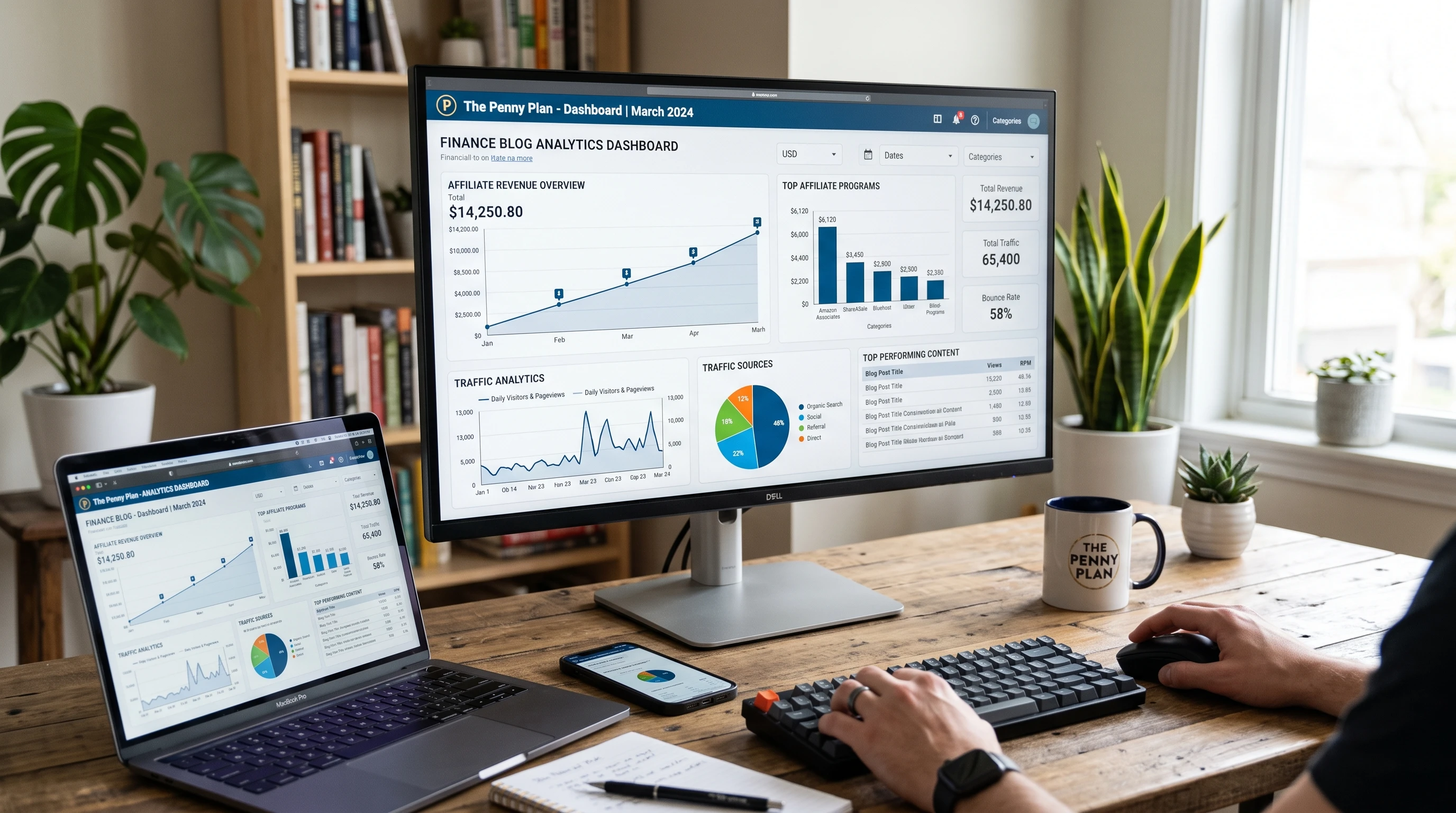
Tracking affiliate revenue and traffic is incredibly important for personal finance bloggers who depend on accurate reporting, compliance with regulations, and making smart business decisions. Most finance blogs now use affiliate links for monetization, but the setup gets trickier for personal finance bloggers. Regulations are stricter, and keeping tabs on several affiliate network dashboards can be a headache. Plus, traffic spikes during tax season or with new credit card promotions make accurate tracking an absolute must.
What to Look For in the Best Affiliate Tracking Tools 2026
Using the right affiliate tracking software takes workflows and revenue planning to the next level. I always take time to check for essential features before picking a new affiliate analytics tool:
- Multi-network support: I need a tool that connects with multiple affiliate programs at once, not just Amazon or CJ. Tools that link up with credit cards, fintech apps, and other high-earning personal finance affiliate programs are a big plus.
- Real-time dashboards: Access to fresh data about clicks, conversions, and commissions helps me spot problems and opportunities as soon as possible.
- Accurate click attribution: Beyond how many folks click, I want to know which links, pages, and campaigns are behind my best earnings. That way, I can double down where it counts.
- Easy-to-read reports: Clear, customizable dashboards help me quickly pull up summaries for tax season, sponsor pitches, or group revenue sharing.
- Pricing plans based on revenue: Since blog incomes can fluctuate, flexible plans tied to monthly traffic or earnings help me avoid overpaying when revenues dip.
- Mobile compatibility: Being able to check stats or approve payouts from my phone matters a lot, especially when I’m on the move.
- Tag management: I appreciate an easy way to categorize links by campaign, topic, or content series. This keeps tracking organized and simple to manage or hand off.
- Privacy and compliance: Tools that help me meet GDPR and FTC guidelines are reassuring and cut down the risk of trouble down the road.
Affiliate Traffic Tracking Software Options for 2026
Traffic analytics matter even more with affiliate content. I don’t just want to see post traffic—I want to know exactly which links are clicked and whether those clicks turn into money. Here’s how top traffic tracking tools help bloggers like me dig in:
- Link cloaking tools: Plugins such as ThirstyAffiliates and Pretty Links turn complex affiliate URLs into branded, tidy links. This smooths the way for tracking and boosts reader trust. Both plugins let me group links, add tags, and monitor outbound clicks in detail.
- UTM tracking and custom parameters: Tools like Google Analytics and Voluum let me add short codes (UTMs) to links, so I can later see which campaign, newsletter, or article each click came from and analyze which sources drive results.
- Click attribution and expert analytics: Platforms such as Affluent and ClickMeter show exactly which traffic source or page brought about a conversion. I use these to go beyond “just clicks,” gaining insight into landing pages, keywords, or even email lists that drove revenue.
- Built-in affiliate network dashboards: Some networks, like Impact.com, provide their own tracking, but I much prefer bringing all the data together for an easier side-by-side view.
How to Track Affiliate Revenue Efficiently as a Finance Blogger
Having a clear tracking process pays off quickly. Here’s my step-by-step process for locking down accurate revenue tracking:
- Use a dedicated tracking tool: I opt for a dashboard that consolidates all my network data and lets me import historical data for a full-year overview.
- Stick to solid tagging conventions: Every affiliate link uses clear, predictable labels (“creditcard2026-april” or “newsletterbankingapp”) so I can filter and pull reports instantly.
- Add UTM tags to outbound links: I use either Google’s UTM builder or an automated plugin to keep tags consistent, even as links change or are replaced.
- Compare tracked clicks and payouts across networks: Every few weeks, I check that my click data matches affiliate network payouts (CJ, FlexOffers, ShareASale, and the rest). This helps catch errors, broken links, or missed conversions.
- Automate whenever possible: With tools like Zapier, custom scripts, and smart plugin features, I dramatically cut down on manual work and avoid small mistakes from building up.
Best Personal Finance Tools for Bloggers Using Affiliate Tracking
Your affiliate tracking gets even better with the right extra tools. Here are several I blend with my main dashboards:
- Budgeting tools like YNAB or Monarch Money keep blog finances in check, from taxes to expense tracking.
- Content calendar apps: Notion or Trello help me plan ahead for seasonal affiliate campaigns. Having posts for tax season or summer travel credit cards ready keeps my content timely and maximizes affiliate clicks.
- Advanced analytics add-ons: Google Looker Studio lets me create custom affiliate dashboards for a high-level view. Pulling data from multiple sources within a single zone helps me think strategically.
- Email marketing services: With ConvertKit or FloDesk, I match up affiliate tracking with email performance to see which offers resonate best with readers.
Top Affiliate Programs for Finance Bloggers Worth Tracking in 2026
Certain affiliate programs have built a reputation for strong payouts and rock-solid tracking. Here are some I always track closely:
- Credit cards: Programs that offer large payouts per approved application, usually through large networks like FlexOffers, CJ, or Impact.
- Banking & fintech: Savings, checking, and high-yield accounts through banks and fintech apps remain reader favorites. These programs often include referral bonuses and regular affiliate commissions.
- Investing platforms: Services like Robinhood, Webull, and Betterment reward both leads and funded accounts, so the earnings scale up fast.
- Insurance: Affiliates for auto, life, and renters insurance bring in steady commissions, especially since renewals tend to come in yearly.
- Budgeting and money apps: Partners like PocketGuard and Rocket Money pay for both basic installs and premium upgrades, making it easy to add up recurring monthly income.
Tools to Monitor Affiliate Traffic in 2026
To stay nimble, you need to monitor real-time and historical traffic data for both sudden drops and new opportunities. In 2026, these affiliate traffic monitoring tools stand out:
- ClickMeter: Delivers detailed click tracking, fraud alerts, and deep link analytics. I check which countries, devices, or traffic sources convert best and flag anything suspicious straight away.
- Google Analytics 4: With custom events and smart conversion tracking, GA4 is my go-to for seeing overall blog traffic and segmenting affiliate traffic from regular readers.
- Voluum: Great for large campaigns, Voluum gives me clickstream breakdowns and flow reports that help me tweak content and improve affiliate results.
- ThirstyAffiliates Pro: With a dedicated traffic dashboard, this plugin aggregates link clicks by post or campaign, making it easy to attribute revenue spikes to specific content.
How to Improve Affiliate Traffic for Finance Blogs
Tracking results is just step one. To keep affiliate revenue growing, here are some proven tactics I use regularly:
- SEO optimization: Targeting affiliate keywords with real search demand is crucial. I use tools like Ahrefs or SEMrush to track down high-earning keywords, such as “best high yield savings account” or “top credit card bonuses.”
- Internal linking: Adding relevant affiliate post links throughout my site helps readers find my offers and keeps them engaged longer.
- Email funnels: Email subscribers tend to be more engaged. I build automatic funnels around seasonal topics and feature my favorite affiliate picks.
- Seasonal content planning: Prepping content for annual events like tax season, back-to-school, or Black Friday helps me update links and banners just in time to capture traffic surges.
Affiliate Tracking Tools Face-off: Free vs Paid, Beginner to Advanced
There’s no single “best” solution for everyone, so I’ve experimented with both free and paid tools. Here’s a quick breakdown:
- Free choices: Google Analytics and the starter version of Pretty Links work well for beginners, providing click data and UTM tagging, though they require more manual effort and don’t handle payout checks.
- Paid apps: Affluent, Voluum, and ClickMeter all deliver sync features, advanced analytics, and high-level reporting that can save hours when traffic spikes or income streams multiply.
- Beginner bloggers: Using the free versions of Pretty Links or ThirstyAffiliates on WordPress sites is enough to get started with affiliate tracking.
- Growing blogs: Once affiliate income approaches $1,000 monthly, Affluent or ClickMeter add extra value by consolidating income sources and supporting data-driven choices.
- Advanced users: For those managing high-traffic campaigns or large teams, Voluum or custom GA4 setups provide advanced segmentation, funnel tracking, and campaign management.
Top Apps for Affiliate Revenue Tracking 2026 (Mobile-Friendly Choices)
Sometimes checking affiliate revenue on the move is necessary. These mobile-friendly options help me manage income from anywhere:
- Affluent: Its responsive dashboard sends mobile push notifications for new conversions.
- ClickMeter mobile dashboard: Get real-time traffic and income stats in your pocket, so you stay informed on campaigns no matter what.
- ThirstyAffiliates mobile access: WordPress site owners can review link stats and affiliate earnings through their phone’s dashboard.
- Everflow: A more advanced tool for established blogs, packed with robust mobile features for tracking campaigns and revenue in real time.

Frequently Asked Questions
What’s the simplest way to start tracking affiliate revenue for my finance blog?
I suggest installing Pretty Links or ThirstyAffiliates if you’re on WordPress, creating clear link categories, and setting up Google Analytics to track traffic. As your earnings grow, switching to a tool like Affluent saves time by bringing everything together.
How do I know if a click actually led to a commission?
Most affiliate tracking plugins offer click counts, but I always compare these numbers against official network payouts to catch any missed or untracked sales. Double-checking is essential.
How can I track multiple affiliate revenue streams in a single dashboard?
Affluent is a standout here; it aggregates data from networks such as CJ, Impact, and FlexOffers into a single view, streamlining income management and forecasting.
Are paid affiliate analytics tools worth it?
If your blog earns more than a few hundred bucks per month from affiliate programs, paid tools like ClickMeter or Affluent usually pay for themselves in saved time and more accurate analytics.
Can I automate affiliate link tagging and tracking?
Many WordPress plugins offer automation, but if you need a more advanced workflow, Zapier and automatic UTM builders can tag your links and feed everything into one analytics dashboard.
Which Affiliate Tracking Tool Should You Use?
I’ve noticed the “right” tool depends on your blog’s maturity. Beginners on WordPress do well with Pretty Links. Growing personal finance sites, especially those with several affiliate partners, benefit from consolidating analytics with Affluent or ClickMeter. If you’re running big seasonal campaigns or a multi-author team, Voluum offers detailed campaign breakdowns and strategic insights. Consistently tracking both traffic and revenue is what truly pumps up your results—and, over time, builds a reliable stream of affiliate income.
This article was created with AI assistance and reviewed by a human editor.